





![Mercedes-Benz_eActros_600_(1)[1]](https://d2cohhpa0jt4tw.cloudfront.net/Pictures/274x183/8/1/8/17818_mercedesbenz_eactros_600_11_556244.jpg)

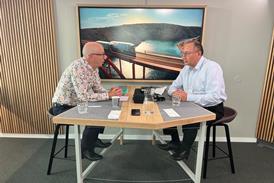



ASTAG Charge platform allows hauliers with spare depot capacity to open high-power charging to other member fleets, with 200 sessions logged in first four weeks and 27 companies onboarded across Switzerland’s regions.
A new shared charging network in Switzerland is allowing electric truck operators to use private depot chargers at up to 50% lower than typical public HGV charging tariffs.
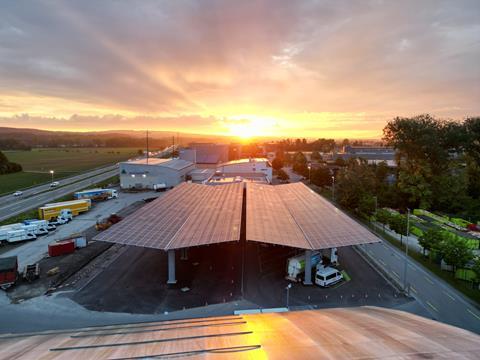
Launched by the Swiss transport association ASTAG, the ASTAG Charge platform allows hauliers with spare depot capacity to open it up to other member fleets. Depot hosts earn revenue from otherwise underused infrastructure, while visiting operators get access to high-power charging without needing their own sites along every route.
The network went live in early May and logged around 200 charging sessions in its first four weeks, averaging about 40 minutes per session. Around 20 pilot companies, spread across all regions of Switzerland, covering approximately 260 electric trucks, are already using the scheme, with 27 member companies onboarded in total.
Pricing is set by each host site individually. There is no subscription fee for ASTAG members, just a small per-kWh platform charge on top. ASTAG says the 50% saving is based on member depot prices compared with typical public fast-charging tariffs for heavy vehicles in Switzerland.
The model could be particularly useful for smaller hauliers, who may want to add electric trucks before they can justify installing high-power charging at every operating base. Instead of building a charging network from the start, they can use spare capacity at others’ depots.
The infrastructure is predominantly high-power DC equipment: 41 of the live charging points are rated at 350kW or above, most at 360kW or 400kW, with a further seven rated up to 300kW. One site in Bendern is already prepared for 1MW Megawatt Charging System operation, though MCS is not yet active there.
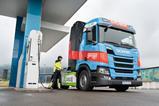
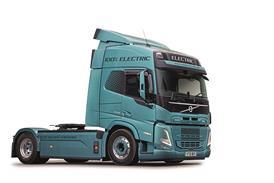
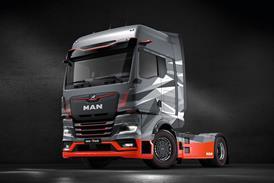
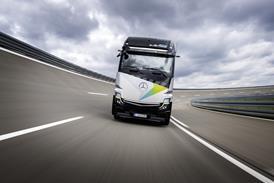
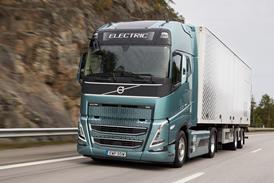
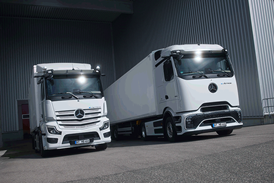
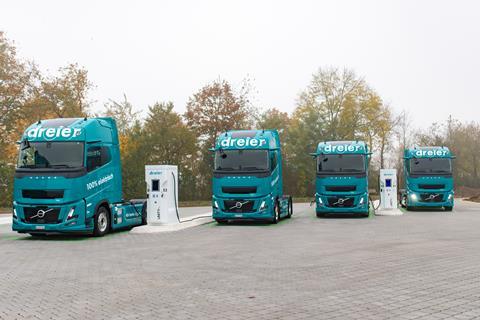
The network is deliberately manufacturer-independent, running on existing depot infrastructure via open standards including OCPP and OCPI. Trucks from Mercedes-Benz, Volvo, Renault Trucks, MAN and Scania are on the platform, with heavy N3 vehicles over 12 tonnes making up almost the entire fleet. The most common models are the Mercedes-Benz eActros 600, Volvo FH Aero Electric and Renault E-Tech T.
A full booking function is still in development and is due at ASTAG’s public launch event in November 2026, with a beta phase opening in August. For now, drivers can see live charger availability but cannot reserve a slot in advance. Handling of practical on-arrival issues, such as a charger that’s blocked, unavailable or unsuitable, is being built into the booking function, which will matter considerably for operators fitting charging around scheduled transport work.
By the end of 2026, ASTAG is targeting 100 companies, at least 500 vehicles and an average of one ASTAG Charge session per vehicle per week.