





![Mercedes-Benz_eActros_600_(1)[1]](https://d2cohhpa0jt4tw.cloudfront.net/Pictures/274x183/8/1/8/17818_mercedesbenz_eactros_600_11_556244.jpg)




Hydrogen could play a role in decarbonising heavy-duty road transport, but emerging hydrogen ecosystems suggest HGV operators may need to locate vehicles and refuelling infrastructure close to where the fuel is produced.
The issue is highlighted in a new Global Hydrogen Compass report produced for the Hydrogen Council by McKinsey & Company, which identifies heavy-duty transport as one of the sectors where hydrogen could find a market because of the difficulty of decarbonising it by other means.
However, the report also highlights the challenges of transporting hydrogen itself, with the cost, energy losses and traffic implications of moving large quantities of the gas by road making trucked hydrogen a niche or temporary solution.
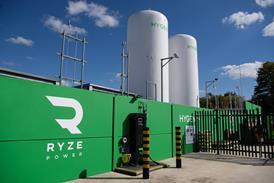
Instead, the emerging model is to produce hydrogen close to its end users, potentially creating geographically concentrated hydrogen ecosystems around industrial sites, transport hubs and fleets.
That could have significant implications for operators considering hydrogen HGVs, particularly those running long-distance or highly variable routes. Unlike diesel, which can be sourced through an extensive national refuelling network, the availability and cost of hydrogen could initially depend heavily on the location of production and refuelling infrastructure.
The report cites the European Union as an example of an emerging clean hydrogen ecosystem in transport. Its Renewable Fuels of Non-Biological Origin (RFNBO) Road Transport Fuel Obligation is helping to create demand for hydrogen and other qualifying low-carbon fuels.
Co-located electrolysis and potential RFNBO imports from low-cost regions could provide competitive supply, while regulation and measures including carbon taxes are helping create demand, with penalties providing an additional incentive for compliance.
But the report suggests that moving hydrogen from production centres to users by road is unlikely to be the preferred solution at scale.
“Losses involved in transferring hydrogen into trucks, the cost, and the traffic issues involved in large scale road transport of the gas” mean that trucking hydrogen is likely to remain a niche or temporary option, it says.
Instead, countries are looking at ways of producing hydrogen close to users.
The report highlights South Korea’s emerging ‘hydrogen from waste’ ecosystem as an example. The Cheongju Waste-to-Hydrogen facility, operated by Hyundai Motor Group, produces 500kg of hydrogen a day, which is supplied to hydrogen stations across the province.
Cheongju plans to deploy 225 hydrogen passenger vehicles and buses and continue converting its city bus fleet to hydrogen.
The report says the locally produced hydrogen improves price competitiveness by avoiding the cost of trucking hydrogen from coastal industrial hubs, while also reducing methane emissions from waste and strengthening regional energy self-sufficiency.
For HGV operators, the development suggests that the viability of hydrogen fleets may depend as much on the location of hydrogen production as on the availability of the vehicles themselves.
The report identifies heavy-duty transport as a potential hydrogen market, but the wider development of hydrogen infrastructure will be driven by competing demands from energy, industrial and chemical applications.
The result could be a hydrogen market in which operators with predictable routes and access to local production and refuelling infrastructure are among the earliest adopters, while fleets dependent on widespread, flexible refuelling face a greater infrastructure challenge.