








![Mercedes-Benz_eActros_600_(1)[1]](https://d2cohhpa0jt4tw.cloudfront.net/Pictures/274x183/8/1/8/17818_mercedesbenz_eactros_600_11_556244.jpg)




Road freight is being squeezed out of government innovation funding as the Department for Transport (DfT) channels the bulk of its decarbonisation cash into shipping, raising fresh questions over support for HGV operators.
A National Audit Office (NAO) report found £674m of the DfT’s £1.1bn innovation budget for 2022/23 to 2029/30 is earmarked for maritime decarbonisation - around 60% of total spend.
By contrast, just £118m is allocated to all other transport sectors combined, including road freight and rail, leaving operators facing a much smaller share of innovation support.
In total, 72% of DfT innovation funding is linked to decarbonising transport, but the NAO said it had “not seen evidence” the distribution reflects a deliberate policy decision.
The watchdog warned the department lacks a strong process for prioritising innovation funding and does not have a clear view of risk across its portfolio, limiting decision-making.
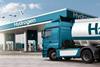
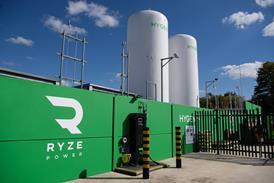
It pointed to the Zero Emission HGV and Infrastructure Demonstrator (ZEHID) programme, noting that part of its higher-risk hydrogen freight activity was halted after the collapse of the HyHAUL project, which was unable to secure sufficient operator commitments for fuel cell trucks and refuelling infrastructure.
The report also highlighted £198m being spent through the Advanced Fuels Fund, which is not classified as R&D under current reporting rules, suggesting total innovation spend may be understated.