





![Mercedes-Benz_eActros_600_(1)[1]](https://d2cohhpa0jt4tw.cloudfront.net/Pictures/274x183/8/1/8/17818_mercedesbenz_eactros_600_11_556244.jpg)





The RHA has warned that the cancellation of the HyHAUL hydrogen freight project could slow progress towards decarbonising the UK’s heavy goods vehicle sector.
RHA MD Richard Smith said the organisation was disappointed by the decision to discontinue plans to expand hydrogen refuelling capacity along the M4 corridor, arguing the scheme would have helped establish the foundations of a national network and supported hard-to-decarbonise operations such as long-distance and heavy haulage.
The government-backed initiative formed part of the Zero Emission HGV and Infrastructure Demonstrator (ZEHID) programme and was designed to support the introduction of hydrogen fuel cell HGVs alongside purpose-built refuelling infrastructure. The project has now been brought to an early close after failing to secure sufficient firm vehicle commitments from operators within the timeframe required by the grant.
HyHAUL Mobility said it engaged with more than 100 potential customers during the programme, representing close to 200 vehicles, but acknowledged that early interest did not translate into signed contracts quickly enough. The company pointed to fixed grant deadlines, uncertainty around hydrogen supply and wider market pressures as key factors limiting fleet commitment.
As a result, Innovate UK and the Department for Transport ended a core element of the funding, bringing the project to an end. HyHAUL had been eligible for more than £30m in public support, with total programme costs expected to exceed £40m, although it remains unclear how much funding had been drawn down before the decision was taken.
In a statement, HyHaul Mobility MD, Kyle Arnold, said: “HyHaul Mobility successfully met expectations on all, except the customer and fleet leasing work package.
“Despite considerable effort from the consortium, Novuna was unable to obtain the required number of signed customer agreements needed to progress with fuel cell HGV orders.”
Smith described the project’s cancellation as a setback at a time when operators continue to face high costs and limited infrastructure for zero-emission HGVs. He warned that meeting proposed diesel phase-out targets would require a broader range of practical alternatives capable of serving different operational needs across the sector.
“We are concerned to hear that a project to increase hydrogen refuelling capacity along the M4 corridor ahead of wider roll out has been discontinued,” he said.
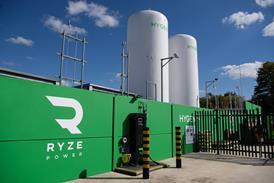
“HyHAUL was set to deploy up to 30 hydrogen fuel cell electric trucks, supported by dedicated fleet hydrogen transport systems and three refuelling stations. It would have laid the foundation for a UK-wide network through the ZEHID programme and benefitted hard-to-decarbonise operations such as long distance and heavy haulage. It’s important that we understand the reasons why it has been discontinued.
“Its closure is a set-back to our sector’s efforts to step up decarbonisation when costs and a lack of infrastructure generally for zero-emission HGVs continue to hold back transition. If the sale of new diesel HGV phase out dates are to be met we need options to decarbonise that cater for all use cases. We remain committed to working with government, industry and stakeholders on solutions that will incentivise and ease the uptake of cleaner vehicles.”
The closure comes amid wider uncertainty across the zero-emission freight market, with both hydrogen and battery-electric HGV projects facing delays in the UK. Industry bodies have repeatedly urged government to maintain a technology-neutral approach as it reviews future transport and hydrogen strategies.