




![Mercedes-Benz_eActros_600_(1)[1]](https://d2cohhpa0jt4tw.cloudfront.net/Pictures/274x183/8/1/8/17818_mercedesbenz_eactros_600_11_556244.jpg)





A lack of confidence in the business case for zero-emission HGVs is continuing to slow the sector’s transition, according to new BVRLA research unveiled at RTX.
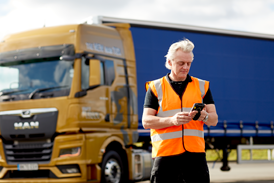
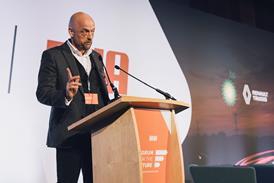
Catherine Bowen (pictured), the BVRLA’s head of decarbonisation and future mobility, told delegates that just 9% of HGV operators were confident zero-emission trucks made commercial sense for their business, while 68% lacked confidence. Vehicle affordability, charging infrastructure, policy uncertainty and concerns over residual values remain the biggest barriers.
Bowen said uncertainty over residual values was the biggest obstacle to unlocking finance at scale, warning that higher vehicle prices, rising funding costs and uncertain resale values had created a “perfect storm” for operators and funders.
However, Ian Dennis, head of fleet at Zenobē, insisted electric trucks are already proving themselves in real-world fleet operations.
With purchase costs falling, government grants available and integrated charging and energy solutions reducing operating costs, Dennis said the industry should stop questioning whether battery-electric trucks are viable and focus instead on accelerating deployment.
“The only one that really remains is about gross vehicle weight,” he said, arguing that increasing weight limits to offset battery mass would remove one of the last major barriers to wider adoption.