




SMMT data reveals a light commercial vehicle market in transition but not in sync with regulatory timelines. Diesel share has dropped sharply, BEV registrations are up 9.5% year-to-date, but operators face fuel volatility, infrastructure delays and a widening gap to the 24% ZEV mandate target for 2026.

The latest SMMT data gives some interesting insight into the current market. Total light commercial vehicle registrations are down 1.6% YTD, with the year-end forecast to be down 0.5% (this follows a 10.3% decline year-on-year in 2025).
On a more positive note, BEV registrations in the up to 3.5 tonne segment have grown 9.5% YTD and now have an overall market share of 9.4% when the over 3.5 tonne to 4.25 tonne segment is included. This compares to an 8.3% market share during the same period in 2025. Diesel’s share of the LCV market stood at 92.0% in early 2024. It is now 83.3%. That is a structural shift, not a fluctuation.
But the contraction is not simply a story of diesel fading out. It is also a story of indecision. Fuel cost volatility, legislative uncertainty and questions about technology maturity are combining to make fleet operators hesitate. Many are holding existing vehicles longer, using daily rental as a stopgap and deferring commitment until the picture feels clearer. In many cases, that wait may be longer than it needs to be.
Reading beyond the registration numbers
The BEV growth figures are encouraging, but they need context. While BEV share sits at 9.4% year-to-date, the ZEV mandate target for 2026 is 24%. That gap is significant.
Much of the BEV growth achieved in recent years can be attributed to several larger fleets where operational activity aligns well with a move to electric. That initial growth phase is well underway, but it’s clear that many other operators who have electrified the easier parts of their fleets are now facing the harder operational challenges. Meanwhile, a large number of smaller operators have yet to make the transition at all.
The result is a market that is in genuine transition, but not in line with the mandate. The direction is clear. The pace is not.
Fuel costs: a tipping point, not the whole story
Fuel cost is one part of a complex picture weighing on fleet decision-making right now, but it is a significant one. Diesel prices have risen sharply in recent months, with UK forecourt costs surging from around 142ppl in February to more than 190ppl by April 2026. The conflict in the Middle East is a contributing factor, and while it would be entirely speculative to predict how long that situation continues, it has served as a reminder of just how exposed diesel-dependent fleets are to geopolitical volatility.
Electric running costs are more stable in comparison, particularly for operators with depot charging in place, though it is worth acknowledging that electricity costs have had their own volatility and no energy source is entirely immune to market forces. The more honest framing is not that electric always wins on total cost of operation, because in some operational contexts it does not, particularly where operators are reliant on public charging. It is that the cost of continuing to wait is growing. For some fleet managers, the recent diesel price spike will be the prompt that moves the conversation from consideration to action.
What the infrastructure barrier actually looks like
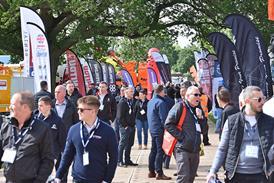
Infrastructure remains the most tangible blocker to electrification, and it was a consistent theme in conversations at the CV Show 2026. Lead times for permanent installation can run to many months and in some cases years. Many operators do not own their sites, some are mid-relocation and others simply lack the electrical capacity to charge the number of vehicles they need to.
However, this is where innovation is starting to make a difference. Portable charging solutions, such as the Fellten Charge Qube showcased on the Ayvens stand at the CV Show, bridge the gap without requiring planning permission or major capital commitment — a practical option for operators who have previously ruled out electrification on infrastructure grounds.
On battery performance — another persistent concern — real-world data from Ayvens’ partnership with Hitachi ZeroCarbon indicates that degradation is significantly less severe than many operators fear. Performance varies by manufacturer and by how vehicles are managed, but the picture is more reassuring than the perception.
What the mandate gap means in practice
From 2030, at least 70% of new van sales must be zero emission, rising to 100% by 2035. For operators managing vehicles on typical replacement cycles, the decisions being made now will determine their compliance position when those thresholds arrive. That is within one fleet cycle for many businesses.
The gap between current BEV market share and the 2026 mandate target of 24% means OEMs will at some point have to balance diesel availability or aggressively reprice electric vehicles to avoid penalty fines — and operators who have not started transitioning by then will face a steep learning curve at exactly the moment supply is tightest. On the flip side, the mandate gives fleet managers something they have not always had: a fixed planning horizon that makes the business case for early infrastructure investment easier to put to finance directors.
The practical advice we give to most fleets is to mirror the mandate as closely as operational reality allows. There will be parts of your operation that genuinely cannot electrify yet, whether due to vehicle capability, route demands or infrastructure constraints. Do not force it where it does not work. But where it can, align your registrations to the mandate trajectory and start building operational learning now rather than later.
The most important practical takeaway is this: if you assessed electric for part of your fleet six months or a year ago and it did not stack up, that business case is worth revisiting. Technology, vehicle options and charging infrastructure solutions are moving quickly enough that a ‘no’ 12 months ago may well be a ‘yes’ today. The operators who keep reviewing their position will be best placed to transition on their terms, rather than under pressure.
Matt Dillon, head of commercial vehicles, Ayvens UK