









![Mercedes-Benz_eActros_600_(1)[1]](https://d2cohhpa0jt4tw.cloudfront.net/Pictures/274x183/8/1/8/17818_mercedesbenz_eactros_600_11_556244.jpg)




Electric Van Company’s CitySprint range targets urban operators with 120-mile range, 500kg payload and £400 monthly lease costs. Lancashire-built L7e vehicles charge from domestic sockets at £1.90 per week.
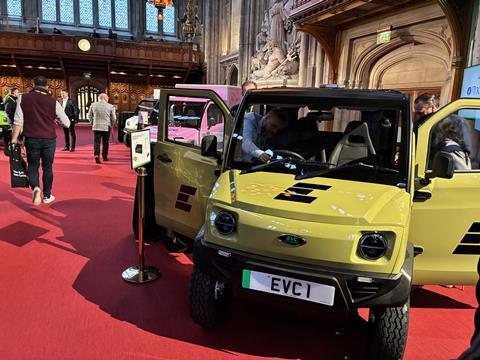
A British start-up manufacturer has launched a range of low cost lightweight electric vehicles that it claims will “disrupt the urban micro logistics sector”.
With only four years before the ban on sales of new internal combustion engined light vans, the Electric Van Company (EVC) believes its CitySprint range can capture a significant share of this 350,000-strong vehicle parc.
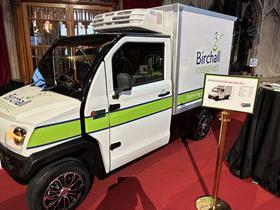
Prices start at £15,250 excluding VAT and a three-year lease will cost around £400 a month, with charging costs well below petrol and diesel at around £1.90 per week if the vans are charged at domestic rather than public charge point prices. It is targeted at just about any urban or last mile logistics application from parcels to plumbers and pharmacies to florists.
With a wheelbase of 2,495mm and a width of 1,440mm, the vehicles are designed to be extremely agile and able to navigate narrow London streets far more easily than a typical 3.5-tonne van.
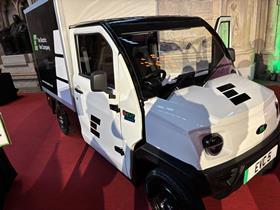
The class L7e vans are assembled at a factory in Nelson, Lancashire from “best of breed” components sourced from around the world, mainly China. The “seven figure” investment in the plant has been underwritten by Jim Smith, EVC chairman and owner of MAN dealer Steadplan, with Keith Sims appointed MD and Des Evans OBE a non-executive director.
With its 23kWh LFP battery the CitySprint has a range of 120 miles carrying a payload of 500kg to 600kg and its 20kW motor gives it a top speed of 46mph. Crucially it can charge from a standard 13A socket outlet via its onboard 3.3kW Type 2 charger, taking the battery from 20% to 80% charged in less than five hours. The battery comes with a four-year, 200,000km warranty but EVC expects the batteries to last for at least 3,000 to 4,000 charging cycles or around 10 years.
“The vehicles have been designed around reality not for an infrastructure that does not exist,” said Sims. “These are not a converted diesel platform – they are built from the ground up on the principles of keep it simple, make it work and make it reliable.
“There are 2bn charge points in the UK that these vans can use today.”
A range of body types including tippers, box vans, pick up and fridges are fitted at the factory and with the 23kWh battery range is reduced by 10 to 15 miles for the refrigerated vehicle. Future options will include a bigger battery that will extend range to up to 200 miles and a faster 6.6kW CCS charger to speed recharging.
All vehicles are fitted with Geotab telematics by LEVL Telematics, enabling operators to monitor the driver and vehicle performance, battery charge and range in real time using AI-driven tools that will turn data into usable insights. The system will also enable fleet operators to know how much electricity has been put into the battery overnight if the driver charges at home.
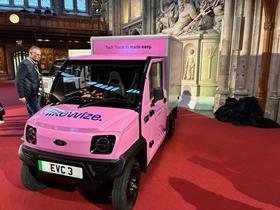
Estimates of first-year sales vary from 200 to five times that figure and initially repairs and maintenance will be handled by rapid response service vehicles operated by EVC. As sales grow Sims said there is a “dealer network in reserve”.
With far fewer moving parts than ICE vans, maintenance is minimal and, with a simple modular construction, damage repairs will be quick and easy.