



![Mercedes-Benz_eActros_600_(1)[1]](https://d2cohhpa0jt4tw.cloudfront.net/Pictures/274x183/8/1/8/17818_mercedesbenz_eactros_600_11_556244.jpg)





Independent research project puts Mercedes, Scania, DAF and Volvo electric trucks through real-world trials with major operators to validate total cost of ownership for fleet transition planning.
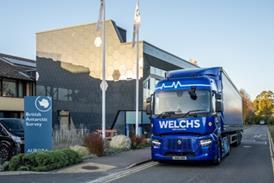
Independently funded Project JOLT now has four electric trucks in the field, generating data on range and battery performance for the Centre for Sustainable Road Freight to analyse.
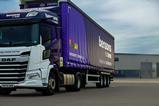
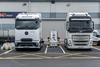
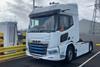
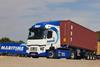
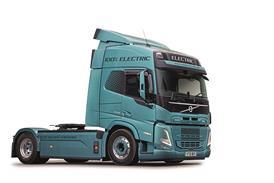
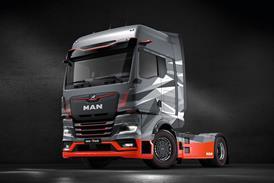
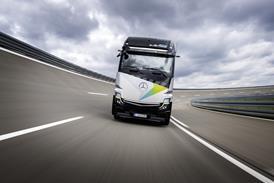
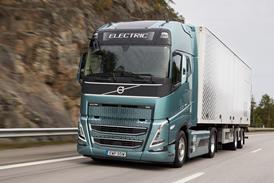
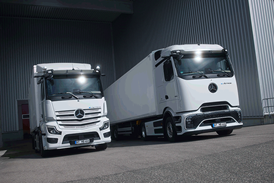
Each company involved in the project receives two eHGVs for three months twice and the vehicles provided by OEMs are a Mercedes eActros 600, a Scania G230E, a DAF XD FT 350e and a Volvo FH42TE.
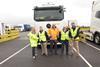
Both John Lewis and Jacksons Bakery, part of William Jackson Food Group (WJFG), carry relatively light loads and the operators are currently exploring whether their diesel fleet vehicles can be readily substituted with the eHGVs.
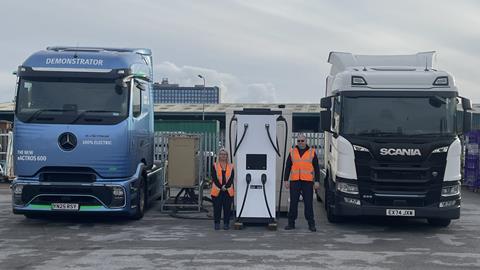
John Lewis Partnership is trialling its electric variants alongside biomethane trucks and the business is aiming to be fossil free by 2030 and net zero by 2035.
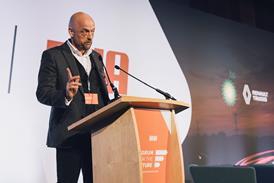
In Hull, John McPhillips, WJFG sustainability director, said: “Joining Project JOLT allows our businesses to test and learn and access the ‘real world’ data needed to validate total costs of ownership and support the business case transitioning our heavy fleets to electric.”
Jacksons Bakery’s MD Owen Elliott added: “Our drivers are positive about the vehicles, and we’re learning a lot about dynamic route planning, driving efficiency and the importance of driver training in maximising battery performance.”
This phase of the trial lasts until the end of the year and then the lorries will move onto two new national operators for the next quarter.