






![Mercedes-Benz_eActros_600_(1)[1]](https://d2cohhpa0jt4tw.cloudfront.net/Pictures/274x183/8/1/8/17818_mercedesbenz_eactros_600_11_556244.jpg)




A German-Dutch electric truck pilot suggests battery-electric HGVs can already beat diesel on operating and maintenance costs, at least on well-planned routes with depot-based charging and predictable delivery patterns.
Confectionery and petcare group Mars and German retailer REWE have linked production, warehousing and store deliveries in a single electric corridor between the Netherlands and Germany. Instead of electrifying isolated legs, the project follows Mars products from factory and logistics sites through to REWE’s Berlin-area store network.
The goods are moved to REWE’s central warehouse north of Berlin, before electric trucks take them on to more than 300 stores in the region and a REWE delivery-service warehouse.
“Already today, more than every second route in our network with an electric truck is cheaper in operation and maintenance than with a combustion engine,” said Lars Siebel, executive director logistics/SCM at REWE Group. “With optimised route planning, the cost advantage can be increased further, meaning the still higher acquisition costs of the electric truck can be amortised more quickly.”
Siebel said fleet operators should calculate the business case for entering e-mobility, arguing that diesel price volatility is likely to remain high while electricity prices are more stable.
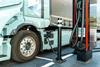
The network currently involves 47 battery-electric trucks, with 23 on the Mars side and 24 operated by REWE. The companies say the electric operations have so far covered more than 2.4 million kilometres, saved around 750,000 litres of diesel and avoided almost 2,600 tonnes of CO2e on a well-to-wheel basis.
The companies also point to lower noise levels as a practical benefit for city deliveries. Electric trucks cut perceived noise by around half compared with diesel vehicles, they said, with the difference most noticeable on urban routes such as those into Berlin.
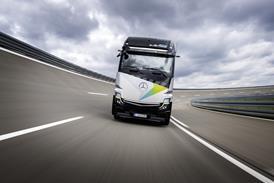
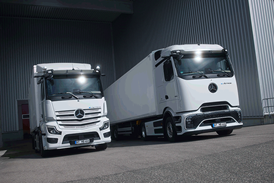
The corridor builds on Mars’s earlier use of Mercedes-Benz eActros 300 and eActros 600 trucks on parts of the same network. Partners on those earlier routes included Rigterink Logistikgruppe, which operates eActros 600 vehicles for Mars between distribution centres, and Einride, which has worked with Mars and REWE on electric routes and charging infrastructure planning.
Björn Schlenker, supply chain integration director at Mars in Europe, said the model could work on other electrifiable end-to-end routes, including cross-border operations.
“A resilient network structure reduces emissions across transport logistics and directly contributes to cost structure, delivery capability and service quality,” Schlenker said.