






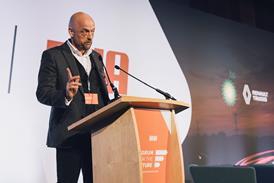

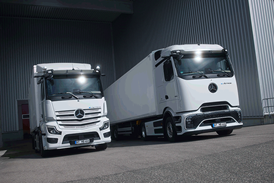
Decarbonising the logistics industry could be a lever for structural changes in the way the industry operates, according to speakers at Logistics UK’s annual meeting on Delivering Decarbonisation. 

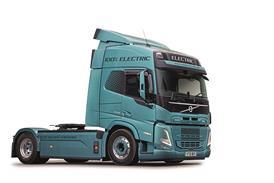
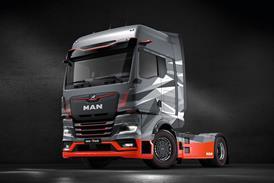
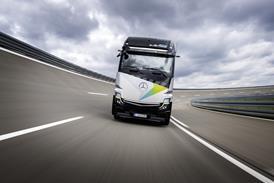
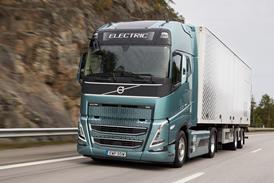
They suggested that maintaining payloads for eHGVs would open a conversation because, as one speaker said, the total cost of ownership (TCO) for a five-axle electric HGV would “beat the cost for a four-axle diesel vehicle every time”. Broader discussion about the benefits of eHGVs might allow for changes to the UK’s longstanding limits on HGV axle numbers, length etc and the choice between articulated and fixed body vehicles.

Payload was key to TCO, but the meeting heard that battery capacity was increasing and battery weight decreasing by about 6% annually, so the next generation of vehicles would look very different. Changes such as strengthening the chassis would also create more payload space.

Further ahead, there was a more speculative view that autonomous vehicles – which may be seen within the decade - would dramatically change the industry. Removing the driver’s cab would allow for a payload weight gain of 2t and provide additional space.

However, delegates were more concerned with the measures required now to deliver a low-carbon industry by 2050. The meeting took place as the industry is awaiting a government consultation on a new HGV mandate. There was a general feeling that the industry’s needs – and how and why they differ from other transport sectors – were far from being fully absorbed by policymakers and the industry had some key asks for the UK’s infrastructure sector and its governing bodies, in order to deliver the necessary change.

One key ask from the industry was better government understanding that logistics is part of the UK’s ‘critical national industry’ and its sites should be treated as ‘nationally significant infrastructure’. Similar priority should be given to numbers of freight depots as would be given to a single data centre, as both were providing critical services. Along with that, the industry wanted a roadmap to decarbonisation that was ‘co-owned’ by government and industry.

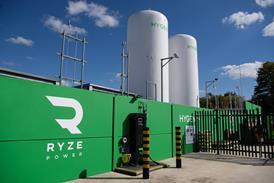
The need for grid connections was a recurring theme throughout the day and delegates wanted to see standardisation of the process across GB’s electricity distribution network operators and a single point of contact.

Delegates also heard that government should also break down commercial barriers, particularly by aligning electricity price structures with our EU neighbours – particularly by removing taxes on electricity, because taxes are charged in the UK but not EU Member States. In fact, operators would like to see the government have a special price for electricity for the logistics industry, as it does for energy intensive industry.