








![Mercedes-Benz_eActros_600_(1)[1]](https://d2cohhpa0jt4tw.cloudfront.net/Pictures/274x183/8/1/8/17818_mercedesbenz_eactros_600_11_556244.jpg)




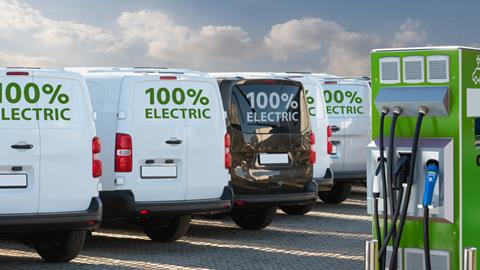

Draft legislation, published following the DfT’s zero-emission vans consultation, should be approved as a matter of urgency to encourage the adoption of cleaner electric vehicles and help put an end to electric vans being treated as HGVs.
The call comes from Logistics UK, which is part of the Zero-Emission Van Plan coalition, which is a group of industry experts and trade associations, formed to accelerate the adoption of electric vans and overcome barriers such as poor charging infrastructure, high costs, and regulatory hurdles. Other coalition members include BVRLA, Recharge UK, and the Association of Fleet Professionals.
Commenting on the draft legislation this week, Chris Yarsley, Logistics UK senior policy manager for road freight regulation, called for immediate approval of the new regulations so businesses and consumers can start reaping the benefits of cleaner vehicles.
He said: “The electric van legislation is finally catching up with operational reality and needs to be approved as quickly as possible.
“The current situation where standard size electric vans are treated as HGVs, in terms of MOT and driver hours requirements, is outdated and penalises logistics operators who are trying to clean up their fleets and help the UK meet its decarbonisation objectives.
“Electric vans are used for the same jobs as diesel and petrol vehicles, and it is only the extra weight from the batteries that moves them into the same category as HGVs.
Yarsely added: “The new legislation removes this false equivalence and will speed up the adoption of cleaner vehicles as operators will not have the unnecessary expense and paperwork of complying with rules designed for much heavier lorries.
“As part of the Zero-Emission Van Plan coalition, Logistics UK has long been campaigning for full regulatory alignment between 4.25 tonne electric vans and 3.5 tonne diesel, and improved fiscal support for adopting electric vehicles.
“The draft legislation is a clear indication that the government is listening to the sector’s concerns, and it is now essential for the legislation to become law as a matter of urgency.”