
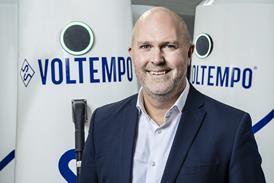



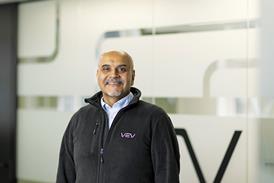

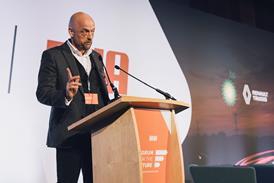



Strategic partnerships and dual-use charging infrastructure will be pivotal to accelerating the transition to electric HGV fleets, according to Stephen Wood, UK and Ireland country manager at Siemens eMobility / Heliox.

Speaking exclusively to MT, Wood emphasised that many operators remain stalled at the starting line of their decarbonisation journey, often revisiting the same uncertainties they faced five years ago. One overlooked solution, he argued, lies in leveraging underutilised bus depots as shared charging hubs.

“Success will come through collaboration. There’s a clear opportunity for freight operators to align with progressive public transport companies to share infrastructure and fast-track adoption,” said Wood.

Heliox is currently collaborating with First Bus on 15 such multi-use sites, where buses charge overnight and the infrastructure is made available for commercial vehicles during daytime hours.

“These depots are ideal from both a safety and logistics perspective,” Wood explained. “We’re seeing real-world examples — not just demos — with HGVs charging daily at sites like the First Bus depot in Leicester.”

For small and family-owned operators, the financial burden of transitioning from diesel to electric remains a key barrier. Wood believes shared infrastructure significantly reduces total cost of ownership (TCO) and lowers the entry point for smaller players.

Despite broader industry concerns about rising costs and fluctuating vehicle volumes, Wood remains optimistic. “We’ve seen the market swing from EV enthusiasm to a Euro-7 focus, and now, EV is clearly regaining momentum — even brands like Yutong are launching new models.”

Wood also highlighted the growing ecosystem of nationwide charging solutions. Beyond First Bus, networks operated by companies like Milence and Aegis are expanding accessibility for commercial operators across the UK.

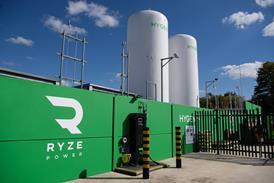
“We’re supporting dual-fuel sites — whether that’s hydrogen, HVO, or full EV — with rapid charging hubs already active across the country. Operators can install low-power AC chargers at their own depots and complement that with access to shared high-capacity hubs. It’s a scalable, cost-effective approach.”

While industry momentum is building, Wood identified regulatory uncertainty as a major obstacle.

“The Achilles heel remains long-term government strategy — or the lack of one,” he warned. “Operators need policy clarity and consistency. Without it, we risk ceding ground to international players. If we delay too long, UK firms will lose out to faster-moving competitors like BYD.”

He concluded with a call for increased industry education, collaboration, and strategic alignment.

“This is achievable. The technology is proven. The grid is limited — particularly in dense urban areas — so these kinds of collaborative models are not optional, they’re essential. We’re at the beginning of a new industrial era, and the UK has a chance to lead if we act decisively.”