







Fixed, tracker or variable? No, we’re not talking mortgages, this week we’re on energy tariffs. We’ve been editing the latest edition of our Summer podcast series this week (OK, we’re being a bit liberal with the use of summer…) and it’s triggered some thinking around the topic and how fleet operators will start to shift their thinking when it comes to forward energy supply and availability.
The latest edition in the podcast series is the second instalment of The Big Debate, recorded live at Road Transport Expo back in June, where we brought together the technical experts from the truck manufacturers to share their opinions on all matters carbon zero. This edition covers hydrogen internal combustion engines, the future of the 6x2 mid-axle tractor unit and, of course, infrastructure.
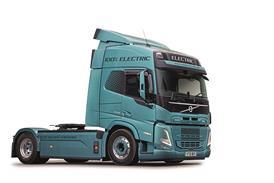
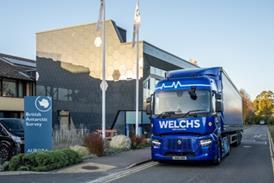
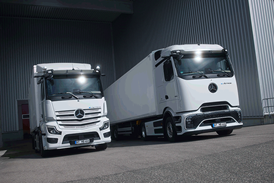
Andrew Scott, head of electromobility and product development at Renault Trucks, is fast becoming someone worth listening to on the topic, and he has a very interesting perspective when it comes to battery electric vehicles: “An electric vehicle has a value in terms of its energy consumption,” he told the audience at RTX. “One of our vehicles on display [at the exhibition] has an energy consumption of 300 megawatts over the course of its life. That’s a hell of an attractive prospect for someone who says, ‘I can provide the energy for that’ because you’ve got 10 years of guaranteed revenue. This is where the private sector will come in at pace because the oil companies are simply not geared up to service commercial companies, as it stands.”
He added that during 2024 he fully expects many of these solutions to be available to market and “charging as a service” will become a reality.
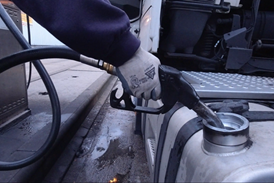
“‘Twas ever thus,” we hear you say. Indeed, we know of many fleets who have been avid watchers of diesel prices, pouncing when the price is right to fill up the tanks in the yard, but the shift to battery electric vehicles, if that is where we’re headed, will mean every operator will need a good understanding of energy buying and distribution in their company toolkit. We’ll come back to skills development in a future newsletter as we have some developments coming in that area, but building awareness is a key ingredient of what we can do now.
If this wasn’t evident before, it should be clear now that the transport sector is going through a serious energy awakening. How much energy vehicles are using has always been an industry KPI, with miles per gallon one of the key, if blunt, measures of vehicle performance, but the awareness of energy supply and availability is going to be a critical success factor as the industry transitions to the promised land. Better still if you have a big shed or space for solar panels or a wind farm, you may even be able to generate your own – just like having your own oil well in your back yard – giving both security of supply and pricing.
Argue all you like about the precise timings of the phase out, it’s clear within the next 25 years the role of diesel in the commercial vehicle energy mix will be significantly reduced and quite probably only in use at the extreme margins of the industry and for a few old vintage trucks doing the shows. How we get to this carbon zero end point is, of course, the conundrum, but the smart players are rapidly building knowledge, understanding and experience. For many of us, like the diesel trucks themselves, the timelines will be beyond our useful working life, but that’s not an excuse to do nothing or, worse still, get in the way…


![Mercedes-Benz_eActros_600_(1)[1]](https://d2cohhpa0jt4tw.cloudfront.net/Pictures/274x183/8/1/8/17818_mercedesbenz_eactros_600_11_556244.jpg)