






In this week’s commentary, FCZ’s Andy Salter questions the UK’s truck Decarbonisation strategy, highlighting the challenges of electrification and the need to embrace low-carbon alternatives like HVO and biomethane to make immediate progress.
Without wishing to appear unduly contrary, we wonder if it’s time to take a reality check and reconsider the UK’s approach to decarbonisation of the truck sector. We’ve been in the company of a lot of the big fleet operators recently and it appears, for many of them, their world view on decarbonisation is at odds with the government’s.
Sure, they know zero emission is the end game and understand they have to work out how to electrify their fleets in the long term, but the current cost of electric vehicles and the unfathomable conundrum that is securing sufficient grid connection (not to mention the associated price of the infrastructure), means electric is a big turn off. We’re hearing horror stories of the queue to be connected stretching to eight years, which makes planning somewhat of a guessing game. No amount of wishful thinking on the part of civil servants or suppliers is going to drown out those concerns, from what we can see.
Many fleets want to do the right thing on decarbonisation and want to get going, while others have internal and client carbon reduction targets to meet and are genuinely wrestling with the shortcomings associated with electric. Being told those shortcomings will be dealt with through technical developments in the future or to be patient with the DNOs, feeds the frustration, and “doth butter no parsnips” when you are faced with sustainability targets in the here and now.
In the worst decarbonisation case, operators will do nothing and continue to burn good old-fashioned B7 diesel. Surely a lack of progress on overcoming this grid infrastructure blockage can’t be an industry mandate to continue burning fossil fuels, can it?
We’d venture some intervention is needed to support a practical and progressive decarbonisation journey for operators, enabling them to begin reducing emissions now by adopting available low-carbon fuels. Providing certainty around the long-term viability of these renewable solutions over the next 25 years will ensure they play a meaningful role in the path to Net Zero. Every tonne of co2 not emitted today is exponentially better than waiting for a promised future.
Many will cry this talk is heresy. Giving column inches to talk of low carbon alternatives is only causing delay and confusion on the route to zero tailpipe emissions and we should just get on with it. However, it is clear the UK is a long way off being ready for electrification of the commercial vehicle fleet. This should be recognised and acted upon. The £200 million committed by the last government to the ZEHID programme, while welcome, is just a starting point, not the end game and, if it’s to be successful, it needs to be the trigger to stimulate the infrastructure developments crucial for electrification success.
But in the meantime, fleet operators must be given some viable pathways to decarbonise today. We were heartened to hear at Road Transport Expo in June, talk of a DfT-funded study into the use of high blend biofuels in trucks; we’d hoped that project’s report may have seen the light of day by now and some implementation pathway outlined, given the positive input that the truck operators, fuel suppliers, and OEMs put into showing what could be done in the short term. Hopefully this will surface in the new year.
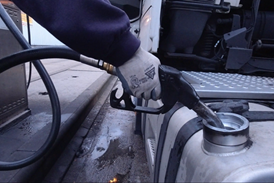
Similarly, HVO delivers huge carbon reduction benefits, and the current market price of the fuel makes this an attractive and viable option; but, users need certainty of sustainable supplies (surely just make RFAS certification mandatory) and a taxation or incentive regime which ensures that the low carbon option is always cheaper than its fossil-based alternative. Biomethane, as many operators will testify (just ask FSEW), delivers equally good carbon reductions, but while it’s labelled a transition fuel its traction in the market is equally stifled.
By ignoring the low carbon options available today, industry is missing a massive decarbonisation opportunity. We hear the “new” (when do they go from being new to regular?) government is in listening mode currently. Sooner or later it will have to act, and if it’s serious about decarbonising the sector, come up with some viable solutions which won’t just mean piling more cost on this fragile sector and thus building up inflationary pressure onto consumers.


![Mercedes-Benz_eActros_600_(1)[1]](https://d2cohhpa0jt4tw.cloudfront.net/Pictures/274x183/8/1/8/17818_mercedesbenz_eactros_600_11_556244.jpg)