







As witnessed in last week’s newsletter, the Zemo Partnership has delivered some great inputs into the decarbonisation arena, both in the days of the Low Carbon Vehicle Partnership (LCVP) and since the re-brand to Zemo. Our comments, last week, on the life cycle analysis across a range of low and zero carbon energy solutions, the organisation has produced, and the management of the renewable fuels assurance scheme are just two of the more recent jewels in the crown where the “Partnership” has taken a leading and very valuable role.

shutterstock_690657169


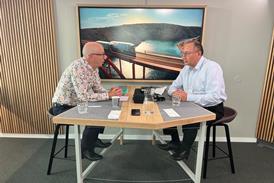
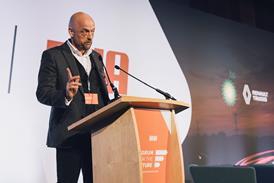
However, attending a Zemo event last week in London, where the organisation unveiled its Council for Net Zero Transport, we were left wondering whether Zemo is in danger of losing its way in the same way it has lost a big chunk of its funding. Speaking to a number of Zemo members, at the event and since, we’re not alone in these thoughts.

Zemo (or rather its LCVP predecessor) was born in a time when the Department for Transport had funding for such missions. Government stumped up a big chunk of cash to promote the decarbonisation of the sector and industry paid a membership fee for a place at the table to rub shoulders with the DfT, get the inside track on some of the things coming down the line, and maybe get their voice heard and perhaps influence policy. Most importantly this co-funded model meant industry and government were aligned and resulted in industry delivering progressive decarbonising actions throughout the 20 years together.

Those days are behind us now and the matched funding agreement between the DfT and industry, which formed the “Partnership” has been severed. Zemo is now left to rely on membership revenue and bidding around for work to fill its funding gap. On this basis Zemo is shifting to become a strictly membership organisation and will need to stay close to its members, delivering what those members require if it’s to be successful, and ultimately sustainable.

So, what exactly is the Council for Net Zero Transport? We are assured it isn’t going to be just “another talking shop”, but we remain a bit confused what the outputs of the Council will be and who will look/read/listen to them. On the one hand, we understand the Council will help steer the UK transport’s decarbonisation transition, but on the other it will help focus the Partnership as it seeks to forge a clear, strategic direction for road transport decarbonisation. Hopefully the terms of reference and the make-up of the Council, which we were assured would have knowledgeable representatives from all aspects of transport, will allay some of our concerns.

In addition to the Council for Net Zero Transport, Zemo also announced, at the event, it has won a piece of work to develop a commercial vehicle and road freight decarbonisation roadmap for the Government of Wales. This is promising and could be a blueprint for the type of advice and service Zemo could offer in the future, using its working group structure to inform such a piece of work. Although we daresay there are plenty of industry consultancies who would claim they are similarly placed to deliver such work.

So why are we worried about this? Transport is a multi-headed beast, and the decarbonisation thereof is a hugely complicated affair, this we can all agree on. Further we can agree, the transport sector needs a route into Government to feel it is being heard and to exert a bit (at the very least) of influence on future policy decisions. Previously through its unique funding arrangement with the DfT, Zemo Partnership had that position, with that now lost the priority must be to re-establish its member USP and secure a new industry role for itself.