




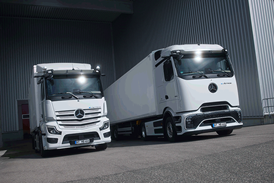

Taking the first step on the road to decarbonisation is something which we know causes a lot of angst amongst commercial vehicle operators, large or small. The decisions to be made; should you opt for battery electric or Hydrogen, understanding the issues around infrastructure and new fuelling regimes, plus all the associated cost issues are just some of the multitude of variables making it seem like a painful transition. Set this against the backdrop of a very financially challenged operating climate and fleets can be forgiven for tuning out when it comes to the topic.
We’ve spoken before about the three Rs of sustainability – record, report and reduce – and how, in the race to reduce carbon emissions, it’s easy to forget the recording and reporting in order to know whether the reduction efforts have been successful. While we’re still in the early days of carbon reporting, businesses are being asked to record their data and confirm their emissions, whether its to comply with sustainability reporting at a parent company, or to fulfil the submission criteria for tenders and the freight sector needs to start preparing. It’s clearly happening: At Smart Freight Week in Amsterdam a couple of weeks ago, most of the exhibitors were demonstrating their reporting software and tools and it’s the reason this week we’re throwing the spotlight on the latest update to the FORS (Fleet Operator Recognition Scheme) Standard. The first real signs of carbon reporting starting to permeate fleet operations can be witnessed in the release of the new FORS Standard version 7 for accreditation of the recognition scheme.
This is what change looks like.
The new Standard released this week, will take effect for audits to the scheme from the beginning of January 2025, so there’s plenty of time for operators to prepare for the changes. Not that this should be seen as a particularly onerous set of requirements out of step with the wider business climate. Indeed, the amendments to the Standard should be seen as an important step in preparing fleet operators for the journey to come.
We’ve spoken a lot about the non-financial reporting requirements coming down the line for operators and we’ve written plenty of column inches about the end of sale dates for trucks and vans rattling their way to the legislative statute book. Both of these elements are reflected in the new Standard with those aiming for Silver and Gold FORS ratings expected to start recording the carbon emissions from their operations and preparing fleet transition plans away from fossil fuels to low and carbon zero solutions.
For the majority of FORS accredited operators, those who hold the Bronze status, it is a light touch approach guiding fleets in the direction of carbon reporting, while Silver and Gold operators will be expected to start recording carbon emissions and preparing fleet transition plans. FORS has developed an emissions reporting tool due for release soon, which will take a lot of the hassle out of the emissions calculations for fleets. For a detailed summary of the changes to the Standard check out the FORS website.
The journey to Net Zero for fleet operators has to start somewhere and the unveiling of the new standard is a demonstration of FORS getting ahead of the game and creating the tools for operators to start their decarbonisation journey. With a good lead in to the first audits in January next year there should be time aplenty to adjust systems and processes to get on board.


![Mercedes-Benz_eActros_600_(1)[1]](https://d2cohhpa0jt4tw.cloudfront.net/Pictures/274x183/8/1/8/17818_mercedesbenz_eactros_600_11_556244.jpg)