
shutterstock_2256102177

They took it to the wire, but the COP28 UN Climate Change Conference, which concluded last week with a landmark agreement to “transition away from fossil fuels”, has been heralded as a major breakthrough. While many wanted a full commitment to a phase-out of fossil fuels, which had been in the original wording that got rejected, the, albeit watered down, “transition away from fossil fuels” is nevertheless a significant step on the journey to the 2050 targets. Many are heralding COP28 as the most important gathering since the Paris Agreement was signed at COP21, we’ll let history be the judge of that.

“While we didn’t turn the page on the fossil fuel era in Dubai, this outcome is the beginning of the end,” said UN Climate Change Executive Secretary Simon Stiell in his closing speech to the conference. “Now all governments and businesses need to turn these pledges into real-economy outcomes, without delay.”

With the first step taken, the shift to formally agreeing a “phase out” of fossil fuels is only a matter of time. If anyone was in any doubt whether we were doing this decarbonisation stuff, then this has to be the signal to us all to get on with it…

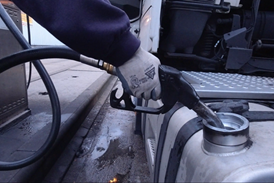
Looking back over the past 12 months, in this our final Freight Carbon Zero Newsletter of the year, there are many companies and individuals across this industry who are “getting on with it”. Whether it’s by taking the first tank of HVO as a diesel replacement, switching to biomethane-powered vehicles or trialling battery electric vehicles, we’re awash with examples of businesses already making a big difference to their carbon footprint.

Of course, there’s much more to do and there remain many challenges to be overcome, but everywhere we look around the sector, we can see some progress. The UK has had a bad press for its pedestrian-speed developments in freight decarbonisation, compared to the likes of France, Germany, Norway, Sweden, well pretty much anywhere else in Europe…but the past 12 months has signalled some significant progress, we’re speeding up and it’s not just the big boys leading the charge, there’s plenty of examples of small and medium-sized companies getting involved.

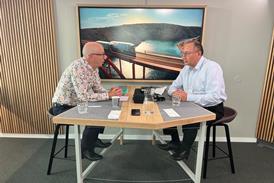
As many of you are aware, last week we were at DAF’s UK headquarters in Haddenham for the first of our Decarbonisation Insight webinars, looking in-depth at the government-funded Battery Electric Truck Trial (still available to view on demand [insert webinar link], by the way). The learnings from this trial are available for everyone to review and import into their own businesses. This will be important as vehicle operators look to implement electric vehicles into their fleets.

At the heavier end, the Government’s £200m ZEHID project finally got the green light in October and will fund nearly 400 zero emission trucks (a mix of battery electric and hydrogen) and 57 charging stations. We probably won’t see any of these vehicles on the road in 2024, but from the following year the operational data should begin to flow and industry will be able to use that information to make informed decisions.

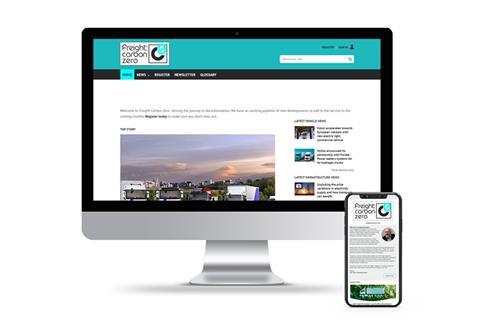
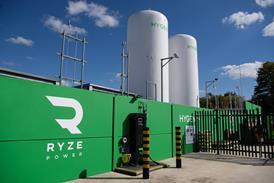
While the zero emission commercial vehicle product availability is improving every day – if you want to stay abreast of developments, check out our Carbon Zero Vehicle Index – it’s not all plain sailing: The war of words is still raging between the battery electric and hydrogen camps over the preferred energy source for road freight; we still haven’t found a solution to replace the 6x2 mid-lift tractor unit in battery or fuel cell form; both the electric and hydrogen network are woefully inadequate for the needs of industry and the fuelling infrastructure has still got to be worked out.

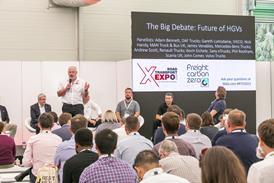
There remains plenty to be done, and for us to write about, as we go forward into 2024. Our Decarbonisation 101 series of webinars has endeavoured to simplify some of the big topics for the sector. These webinars will continue into next year, along with our occasional podcasts, the decarbonisation conference, as part of Road Transport Expo in June, and our collaboration with Motor Transport at the Decarbonisation Summit in November. We’ve also got a few other new initiatives in the pipeline, but we’ll keep our powder dry on those for now – don’t worry, you’ll be the first to know.

See you next year…