

This week we’re celebrating the first birthday of Freight Carbon Zero and we thought we’d focus the commentary to reflect on the past 12 months and take a peek at what’s in store for the year ahead. Even though there has been significant progress with decarbonising the industry on many fronts this year, there is still so much to be done, many challenges to be overcome and big decisions to be made by all industry stakeholders.

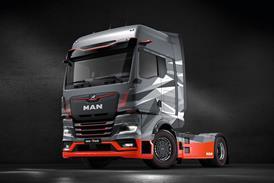
This time last year, we’d just returned from the IAA Transportation exhibition in Hanover, where all the truck manufacturers, and tier one component suppliers, were displaying their carbon zero credentials. We couldn’t help but be buoyed by the vast range of equipment available all sharply focused on reducing the carbon footprint of the sector. Many of those vehicles on display are now in full series production and took centre stage at Road Transport Expo here in the UK in the Summer. While the sales volumes of these carbon zero trucks are still tiny, registrations are growing and the quotas being set out by the EC for zero tailpipe emission (or near zero, anyway) truck sales for the coming years, means all the European truck builders are focusing hard in this area, whether you like it or not. Judging by the comments on social media around the decarbonisation efforts of the industry, it seems there’s plenty who don’t like it…

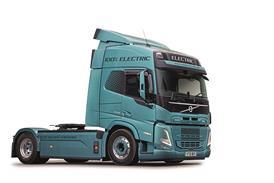
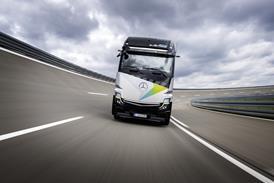
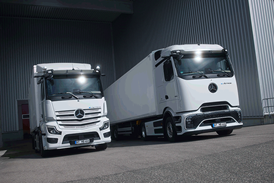
Witness last week’s launch of the new eActros long distance tractor unit, capable of 500km between re-charge and available to you at a purchase price of 2.5x that of diesel! Clearly, those prices are unsustainable and even with claimed lower operating costs than a fossil-fueled truck, the payback on that vehicle is going to be significantly beyond the current expected first life of such a vehicle. And, as we said at last year’s Decarbonisation Summit and seem to have repeated in most commentaries since, cost is the biggest challenge which needs to be overcome if the industry is going to be successful in shifting from the combustion of diesel to propel its vehicles.

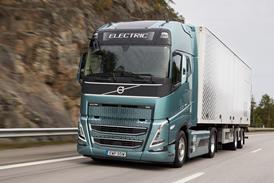
Cost aside, a shift has started. Feedback from several operators we talked to at a Volvo Trucks ride and drive at Millbrook, highlighted there is a real willingness from operators to start their decarbonisation journey, most we spoke to had moved to HVO as a first step, but the cost and complexity challenges of switching to battery electric are too great for many to contemplate at the moment. For many truck buyers, particularly those looking at long distance transportation, unless you have an operation that clearly lends itself to battery electric running or just fancy giving it a go, the best advice currently is to sit on your hands BUT start planning and keep learning. Understand your operation, your premises, your customers’ thinking and be prepared. Change is coming, so everybody involved in the industry needs to get ready. Further, the pace of technological change is such that the seemingly insurmountable challenges of today will be rapidly overcome tomorrow.

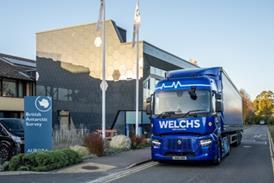
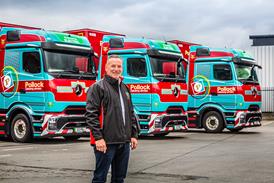
Every business involved in the sector will need to ensure it doesn’t get left behind when the wave comes. There are some notable examples of operators who have already taken the plunge, not just the big firms, and have started to implement carbon zero vehicles in their fleets, developing new distribution models and getting some payback on their investment. Furthermore, we’ve had some interesting recent conversations with funders looking to bring new finance models to market and we know there’s new truck builders prowling for opportunities.

One thing we can guarantee – it’s not going to be dull! At Freight Carbon Zero we’re doing our level best to keep you up to date with all the latest developments from the sector, calling out the issues as we see them and trying to bring a sensible perspective to the discussions. We’ve got plenty more ahead of us: Hopefully we’ll finally see the ZERFD programme get its public launch and we can then pore over the findings and share some thoughts on what it all means; we have some planning tools in the roadmap to assist fleet operators in their decision making and we’re excited to track the progress of the industry, sharing the learnings and insights along the way.