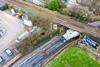
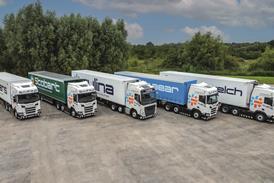









Three in five drivers say bridge strikes are down to their errors – but many also blame their bosses for not giving them enough time to plan.
The majority of truckers (59%) said professional drivers should know the height of their HGV and take responsibility for collisions with bridge architecture.
In 2023/24, there were more than 1,500 recorded bridge strikes in the UK; however, this is now at its lowest level in five years.
One HGV driver said: “If all truck drivers did their job properly, checked the trailer height, adjusted their in-cab height marker, and checked the route they are taking, then this sort of thing would not happen.”
The figure of 59% is backed up by research from FORS, which found that the vast majority of bridge strikes are caused by driver actions, including lack of awareness, vehicle not in the centre of the road, lifting arm left in a raised position and the driver not knowing the height of their lorry.
Network Rail also said three-quarters of incidents are caused by driver error.
However, research into the issue by SNAP found many drivers believe they are being placed under too much pressure by their employers.
One said: “They expect you to drive these trucks like small vans. Show me how to plan a route when companies allow no time for it. Then show me how to adapt when the route you planned is closed while you’re driving.”
This view was supported by campaigner and HGV driver Harling Kaye, who told SNAP: “I’ve had so many near misses, and a lot of the time it’s because I didn’t have the right information or training.”
The analysis also revealed that 14% blamed infrastructure inaccuracies, with one respondent pointing out: “A few years ago, resurfacing raised the road by a few inches under a bridge, but the sign still showed the old height.
“Several drivers got caught out.”
Matthew Bellamy, MD at SNAP, said the debate should not focus solely on blame: “Driver error plays a huge part in the amount of bridge strikes occurring, a view echoed by our audience,” he said.
“However, it’s also important to address additional factors, such as inaccurate signage, delivery pressures, and infrastructure changes.”