




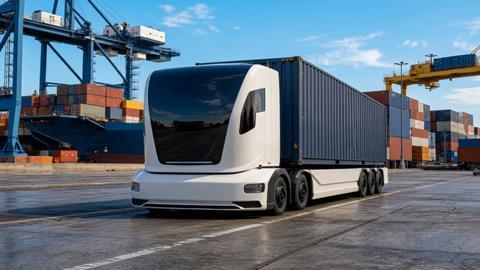

Hub-to-hub trunking and intermodal shuttle operations are the most viable starting points for early deployment of autonomous HGVs in the UK, a nine-month study has found.
The Voltempo-led eFREIGHT Autonomous consortium concluded that autonomous freight was moving rapidly from pilot projects into early commercial operation internationally, while the UK was approaching a key legislative milestone through implementation of the Automated Vehicles Act 2024.
It identified the two priority use cases for early deployment as operations that provided the clearest commercial and operational pathway, because routes were predictable, interfaces could be controlled and benefits could be measured around productivity, utilisation, safety and emissions.
Michael Boxwell, corporate development officer at Voltempo, said: “Over the past nine months, we’ve focused on understanding where autonomous freight can deliver genuine operational value for UK fleets and what conditions are needed to make deployment practical.
“What’s become clear is that this is no longer a future concept. The technology, legislation and commercial interest are all moving forward quickly, and with continued grant funding available to support trials, the UK is ideally positioned to take advantage and lead from the front.”
Voltempo and its partners have also been working with the government and OEMs on concepts for a new category of autonomous HGV, including lightweight “smart trailer” configurations capable of delivering 15% greater payload while reducing overall vehicle weight by around 10%.
The consortium believes these vehicle concepts could ultimately remove more than 22,000 heavy vehicles from UK roads, while reducing fleet operating costs by up to 37%.