






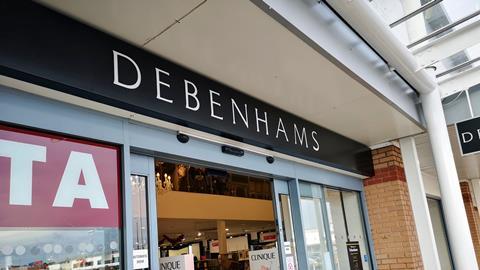

The closure of Debenham Group’s Burnley warehouse in February this year and the consolidation of its warehousing operations into a single automated distribution centre in Sheffield has played a key role in improving the group’s profitability over the last financial year, the group revealed this week.
Reporting annual results for the year ended 28 February 2026, the online retail group, which offers a range of clothing brands including Debenhams, boohoo, boohooMAN, PrettyLittleThing, and Karen Millen, said adjusted EBITDA rose 34.6% to £53.3m, while operating costs fell 28.2% to £415.4m.
The company revealed that a key factor behind the savings was the completion of the company’s warehouse consolidation programme, which saw operations transferred from its Burnley distribution centre to Sheffield.
The move, announced last year, resulted in the closure of the Burnley facility and the loss of more than 1,000 jobs. At the time, Debenhams Group said the Sheffield site offered greater capacity and efficiency and would become the hub of its UK fulfilment network.
In its latest results, the retailer said the consolidation had now been completed and was delivering around £33m of recurring annual savings.
Group chief executive Dan Finley said the company had taken “decisive action” during the year to reset its cost base and improve profitability.
“We consolidated all warehouse operations into Sheffield, delivering £33m of recurring savings,” he said.
The Sheffield facility now sits at the centre of Debenhams Group’s logistics operation as the retailer continues its transition towards a marketplace-led business model.
Under its “Delivered by Debenhams” and “Fulfilled by Debenhams” propositions, the retailer offers logistics services to third-party marketplace sellers, enabling brands to outsource some or all of their fulfilment operations. Debenhams’ delivery partners include Evri, InPost and DPD.
The company said operating costs had been reduced through a combination of warehouse consolidation, migration to a single technology platform, headcount reductions and contract renegotiations.
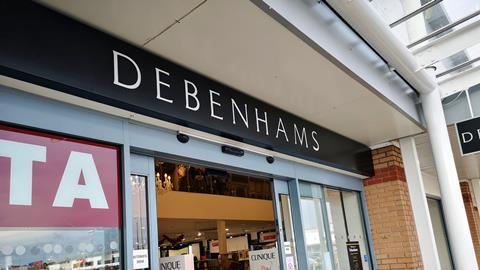
The warehousing changes formed part of a wider restructuring programme that has seen Debenhams Group move to what it describes as a “capital-light, stock-light” operating model, with a growing proportion of sales generated through third-party marketplace partners.
Marketplace sales increased 14.9% during the year and now account for 34.1% of total gross merchandise value, up from 23.3% a year earlier.
The retailer said the most significant phases of its restructuring programme have now been completed and forecast further cost reductions during the current financial year.