





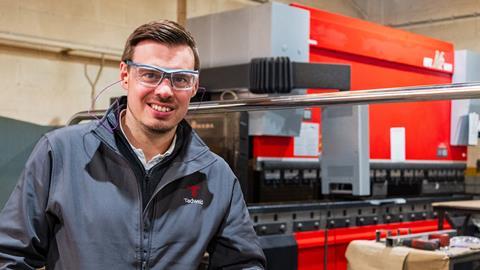

New steel import measures risk overlooking the wider manufacturing sector, with potential consequences for businesses that rely on fabricated steel products, UK steel fabrication specialist Tadweld is warning.
Yorkshire-based Tadweld said this week that changes to UK steel import quotas and tariffs have failed to protect domestic manufacturers in what is being described as the “fabricated steel loophole”.
The warning comes as the UK government introduces new steel safeguard measures from 1 July, halving the volume of tariff-free steel imports permitted into the UK and increasing tariffs on imports above those quotas from 25% to 50%.
The steel tariff changes could increase costs across the transport supply chain, from vehicle equipment suppliers to logistics operators investing in fleet and infrastructure.
The reforms, introduced alongside similar measures by the EU, are designed to protect domestic steel producers from a global oversupply of low-cost steel and strengthen the competitiveness of the UK steel industry.
Whilst ministers have conceded some ground, after originally proposing a 60% reduction in quotas, Tadweld said they have “completely ignored” repeated warnings from the manufacturers who actually buy the steel about the consequences of these decisions.
Chris Houston, Tadweld MD, said: “The government has spent months debating quotas and tariffs ahead of 1 July, but the bigger issue remains unresolved. If steel products are fabricated overseas, many of the protections designed to support UK industry can become irrelevant.
“Unless ministers address how fabricated steel products are treated, UK manufacturers will continue competing against imported finished products that sit outside the spirit of the safeguards.”
According to the company, steel that has undergone fabrication overseas can enter the UK outside of the safeguards, creating a significant competitive imbalance for domestic manufacturers.
On a like-for-like basis, it becomes more expensive to import raw steel and manufacture in the UK, than it is to manufacture outside the UK and import finished goods.
The concerns follow recent Tadweld research which found the UK is on course to become the most expensive market in Europe for structural steel by 2027.
Based on market forecasts, UK hot-rolled structural steel sections could rise from around €780 per tonne to more than €1,000 per tonne once the new 50% import tariff regime and forthcoming carbon border taxes are fully reflected in prices.
Houston concluded: “There’s a misconception that tariffs automatically protect British steelwork manufacturers. In reality, if imported steel has been fabricated before it reaches the UK, many of those protections simply don’t apply. It creates a scenario where manufacturing in Europe has been given a competitive advantage by a UK policy that is designed to help UK industry.
“As an industry we’ve been shouting about this, with some estimates suggesting up to 30,000 jobs are being placed at risk, but the government has gone ahead anyway.
“It’s really quite frustrating, especially when other governments like Canada have recognised this risk and adjusted their policy to protect steel fabricators as well as manufacturers.”