








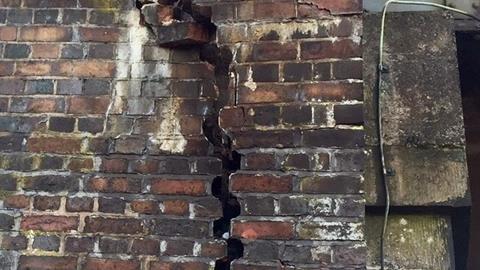

Bidding for a share of the government’s £1bn funding package is now open to councils looking to fix crumbling bridges, falling flyovers and deteriorating tunnels.
The new Structures Fund, which was unveiled in June last year, is open for bids from today (15 April).
The scheme is designed to enhance, repair, and maintain key transport infrastructure across England, including bridges, tunnels, and road networks.
The government has pledged that the fund will put money directly into the hands of councils to tackle the most pressing cases they cannot afford to fix alone.
To help councils put forward the strongest possible proposals, the government has appointed consultants WSP to provide free guidance and hands-on support to all applicants, from reviewing cost estimates to helping develop delivery plans.
Councils are encouraged to submit draft applications by 19 June for early feedback, giving them the opportunity to strengthen proposals before the final deadline of 3 August 2026.
A series of webinars will also be held throughout April and May to help authorities navigate the process.
Funding decisions will be announced in Autumn 2026, with all successful schemes required to complete works by March 2030.
Transport Secretary, Heidi Alexander, said: “Crumbling bridges and worn-out flyovers have been patched up rather than properly fixed for far too long, leading to frustrating weight limits and lengthy diversions.
“Every closed bridge is a barrier to growth; a blocked route to work, a delayed delivery, a family unable to reach the services they depend on.
“Councils have known what needs fixing for years but simply haven’t had the resources to act.
“We’re changing that, making sure structures are repaired properly, so people can live in properly connected communities.”
Steve Denston WSP MD and Royal Academy of Engineering civil and vice president, added: “Like much of the UK’s essential infrastructure, local highways structures are ageing, performing at levels beyond the original design expectations, and suffering from more extreme weather.
“The DfT Structures Fund is an invaluable initiative that will provide a step change in funding for critical infrastructure, releasing economic growth and safeguarding community assets.”
The Structures Fund sits within the £24bn of funding allocated at the 2025 Spending Review for roads and rail maintenance and builds on the £7.3bn already committed to local highway authorities to fix potholes and deliver smoother roads between 2026 and 2030.
Introduced this week, councils now face tough new rules on how they spend pothole funding, as the government set out new requirements to ensure taxpayers see real improvements.
Councils that fail to prove they are delivering better roads face losing around a third of their £1.6bn funding for the next year, but drivers in these areas will not be left behind.
The thirteen councils rated red in the Government’s local road maintenance ratings will receive dedicated expert support to help them drive up standards and deliver safer, smoother roads.
Responding to the new rules on how councils spend their pothole funding, Jonathan Walker, Logistics UK head of infrastructure and planning policy, said the move was welcome as it will encourage planned, preventative road maintenance.
“More than 80% of UK freight travels on roads, and with the country’s roads allowed to disintegrate over the past decade, it is estimated that potholes cost the UK economy over £14.4 billion a year from damaged vehicles and longer journey times.
“Logistics UK has been pressing government for a proactive approach to be taken to maintaining the road network for some time. Our members will be pleased that the government is listening to their concerns and placing a sharper focus on maintenance and renewing roads before they fail,” he added.
David Shepherd also welcomed the government’s focus on accountability and long-term investment for repairing potholes, noting that councils have long called for multi-year funding settlements to support better planning and preventative maintenance.
However, he cautioned that withholding up to a third of funding risks undermining progress, particularly given the scale of the existing £17bn repairs backlog.
“Local highway authorities are working hard under significant pressure - from decades of underinvestment, heavier vehicles, severe weather and increasing utility works - and what they need alongside scrutiny is genuine partnership and practical support.
“We are encouraged that red-rated councils will receive expert support. However, transparency and performance frameworks must be fair, clearly understood and allow local authorities to demonstrate the real complexity of maintaining their networks. We look forward to engaging with government on the detail of these new requirements.”