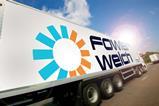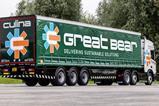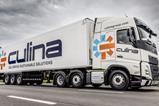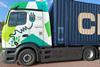
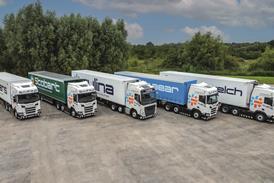



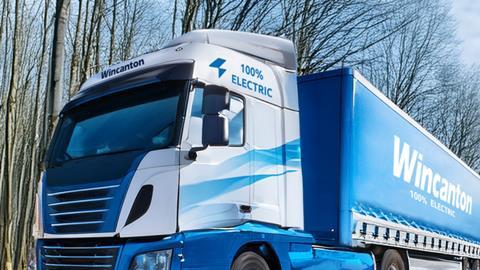

Wincanton has taken delivery of the first tranche of 24 new 40+ tonne electric-powered trucks today (4 June), marking a milestone in the group’s goal of reaching net zero carbon emissions by 2040.
The trucks, supplied by DAF Trucks, Volvo Trucks and Renault Trucks, will hit the nation’s roads this summer.
The new vehicles, which will be able to operate at more than 40 tonnes, are expected to reduce Wincanton’s CO2 emissions by 2,400 tonnes per year.
To support the new trucks, Wincanton is rolling out depot-based charging infrastructure across key sites, including Greenford in West London, Portbury, its Scotland Gateway Hub near Glasgow, and The WEB in Northamptonshire. This infrastructure was designed and built in partnership with Voltempo and Gridserve.
The 24 trucks will play a key role in Wincanton’s participation in the Electric Freightway and eFREIGHT 2030 consortia. Both projects are part of the Zero Emission HGV and Infrastructure Demonstrator (ZEHID) programme, supported by funding from the DfT and delivered in partnership with Innovate UK.
Carl Hanson, Wincanton MD of transport, said: “Sustainability is at the heart of everything we do, with collaboration fundamental to achieving our net zero goals.
“By pioneering new vehicle technologies, we’re cutting carbon and delivering smarter, greener solutions for our customers. And, with these HGVs marking a major step forward in our commitment to a more sustainable supply chain, this important milestone will help us learn and adapt for the future. We can’t wait to see the new trucks in action.”
He added: “Low-emission vehicles like these are undoubtedly the future of logistics, but widespread adoption is still years away. In the meantime, businesses can act now by using today’s technology to increase efficiency and reduce emissions. Unlocking greener supply chains hinges on collaboration and optimisation.”
Simon Buckley, Innovate UK knowledge transfer manager for zero emission mobility, commented: “It’s great to see Wincanton take delivery of 24 electric HGVs. We look forward to the real-world demonstrations and collaboration as part of Project Electric Freightway eFREIGHT 2030, under the wider ZEHID programme, funded by UK Government and delivered in partnership with Innovate UK. These initiatives will generate valuable insights into the future of zero-emission freight in the HGV sector.
“Innovate UK is proud to support this pioneering effort, which plays a key role in accelerating the shift to zero-emission freight and advancing the UK’s net zero ambitions.”
Last year Wincanton reduced its scope 1, 2 and 3 emissions by 18%, well ahead of its target trajectories, which the group attributed in part to its deployment of alternative and renewable fuels, increased use of electric vans and HGVs, and the continued use of the group’s digital transport solution, EyeQ which enables greater fleet optimisation.