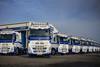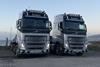




WH Bowker International’s performance in 2024 lagged behind previous years, thanks to “downwards pressure” on rates and the impact of the “imbalance between imports and exports” on its international transport division, according to the company’s latest annual results.
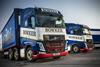
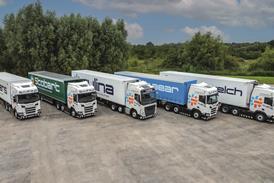
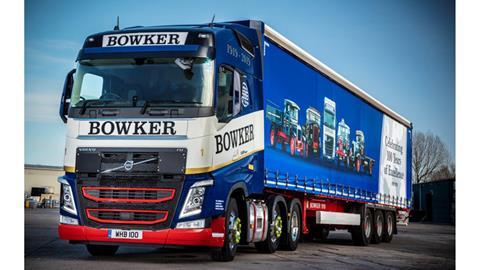
The family-owned company, which is a Palletline member, has its headquarters in Hull and holds international operator licences in the North West, North East and West Midlands traffic areas. It provides over 1.5 million sq ft of warehousing across 11 distribution centres and has a fleet of over 265 trucks and 500 trailers.
In its latest financial results for the year to 31 December 2024, WH Bowker International reported a small rise in turnover to £18m (2023: £17.8m), whilst pre-tax profit fell to £645,000, down from £653,000 in the previous year. Adjusted EBITDA was £1.3m (2023: £1.2m)
In its business review to the results, the company said: “The transport, distribution and warehousing business had a satisfactory year, broadly maintaining it’s current profitability run rate but behind historic performance due to downwards pressure on rates. International transport is still being affected by the imbalance between imports and exports.”
The report added that the directors are “pleased” with the company’s trading performance.
Turning to the principal risks faced by the company, the review lists the current economic headwinds in the UK and Europe, inflationary pressures in recent years and the resultant increase in base rates “from an all-time low of 0.1% in 2020 to a peak of 5.25% in 2024” as key influences on business performance
It added: “Whilst the inflation risk is somewhat subsiding, the company has taken steps wherever possible to mitigate inflation within its own cost base, for example by reducing its carbon footprint by investing in solar panel electricity generation, seeking operational efficiencies and retendering the provision of certain services.”
Regarding future developments, the review said: “The directors look for continued improvements to profitability during 2025 driven by sales growth, particularly with reference to the new post-Brexit customs clearance service stream, and through the continued control of the company’s overhead cost base.”