







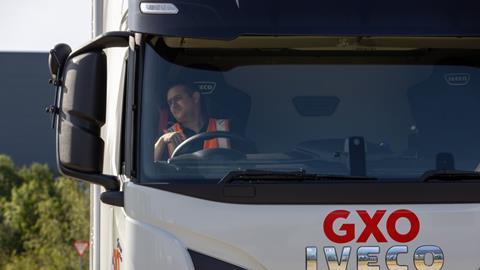

GXO said it was working to minimise disruption to supplies heading to hospitals after nearly 200 drivers rejected its pay offer and voted to go out on strike.
The logistics company said it was disappointed that Unite union members had chosen industrial action, but it had robust contingency plans in place to maintain continuity of service.
The GXO employed drivers based in Derbyshire, Somerset, Kent, West Yorkshire, Warwickshire, Cheshire, Suffolk and Newcastle will strike from 13 October in 48-hour batches stretching into mid-November.
The workers deliver general equipment such as bandages, dressings, gowns, gloves and needles to hospitals in England.
The union said they had turned down a 4% pay offer from GXO, which runs the NHS supply chain contract for Supply Chain Coordination (SCCL).
It said GXO had claimed SCCL told it the consolidated pay offer could not be increased; Unite’s argument is that GXO workers on the contract had inferior terms and conditions compared to standard NHS contracts, including a lower pension entitlement.
Unite general secretary Sharon Graham said: “Rather than negotiating in good faith, GXO has threatened it will remove the original offer it made.
“Let me be clear – our members will not be threatened into backing down. They have Unite’s 100% support in striking for a fair pay rise.”
Phil Silkstone, a Unite regional officer, said the responsibility for disruption lay with GXO and SCCL, but ultimately NHS England “for making threats and refusing to put forward a reasonable offer.
“There is still time for strike action to be avoided but that will require a deal our members can accept.”
GXO said it remained committed to constructive discussions with Unite as well as ACAS and it continued to believe its offer was fair, competitive and sustainable: “Our priority remains supporting our colleagues and maintaining open and constructive dialogue as we seek a resolution,” said a spokesperson.
“We have robust contingency plans in place and are working closely with NHS Supply Chain and other relevant stakeholders to minimise any disruption and maintain continuity of service.
“Patient care remains of paramount importance, and we remain focused on providing a safe and effective operation throughout this period.”