








W. H. Malcolm saw pre-tax profit dip in 2024, despite improved turnover, thanks to “challenging and competitive” market conditions, supply chain inflation and a “difficult economic backdrop” in the Scottish construction sector.
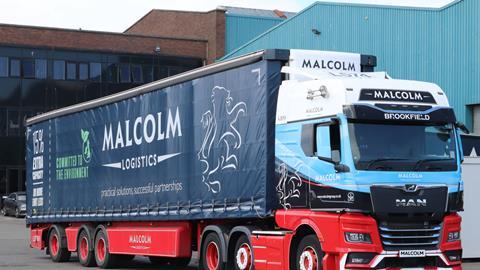
The company, which is based in Renfrewshire, Scotland, is part of the Malcolm Group. It employs around 1,880 staff and provides logistics, construction and waste management transport services. The group has operating licences for 748 trucks and 1,167 trailers
The fall in the W. H. Malcolm’s pre-tax profit is revealed in its recently published annual results for the year to 31 January 2025.
The results reveal that turnover rose to £244.5m, compared to £238.1m in the previous year. However pre-tax profit slipped by almost 6% to £18.8m from £19.9m during the period.
In its review of the business, the company said: “During the year activity levels in our Logistics division were slightly higher than the previous year, primarily due to a marginal increase in demand experienced in the UK logistics sector.
“Despite the challenging and competitive market conditions, with tight control over our cost base, the division’s operating profit was broadly in line with the prior year.
“In Construction Services, activity levels were also ahead of the prior year, with several new contract wins in our contracting business coupled with an increase in our waste management business.
“Supply chain inflation and increased energy costs noted last year have continued, which together with a difficult economic backdrop in the Scottish construction sector, has kept pressure on operating margins, leaving Construction Services division’s overall performance slightly down on the prior year.”
Turning to this financial year, the review said that in the first six months of 2025/26, activity levels in its logistics division were marginally down on the prior year, due to a fall in demand in the UK logistics sector.
It added: “Consequently, operating performance is also slightly down due to the competitive trading environment, coupled with increased employment costs following the increase in employers’ national insurance contributions in April.
“In Construction Services, both activity levels and operating profit are down on the same period in the prior year, with lower customer demand and the same increases in employment costs.”
Despite these economic challlenges the review remains upbeat, concluding: “As committed bank facilities are in place until August 2029, the Group remains well positioned to take advantage of new business development opportunities despite the headwinds facing the UK economy.”