





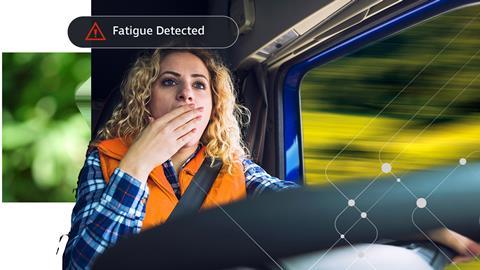

Drivers who receive thorough onboarding are almost three times more likely to rate safety coaching technology as highly effective, according to new research from Teletrac Navman.
The Mobilising the Future of Fleets Report: Driver Coaching Edition found that 74% of drivers who felt well prepared to use safety technology rated their coaching solution as highly effective, compared with just 19% among those who received inadequate preparation.
However, one in five drivers said technology had been installed in their vehicle with little or no communication from management.
Alain Samaha,Teletrac Navman chief executive, said fleet operators needed to focus on the people using safety technology rather than simply installing systems.
“Technology alone doesn’t drive safety outcomes, preparation does,” he said. “Monitoring technology is most successful when it balances fleet goals and driver needs, and that starts with strong onboarding.”
The research found that uncertainty over how driver data is used remains a significant barrier to acceptance. Some 45% of drivers identified surveillance as their biggest concern.
Meanwhile, 30% said clear evidence that technology was being used to protect them, rather than simply monitor them, would encourage them to remain with their current employer.
Drivers also placed a high value on being able to see the data being collected about them. Some 47% said easy access to their own data would increase trust, while 43% highlighted the importance of data being used fairly and consistently across the workforce.
Driver apps were identified as the preferred way of accessing this information by 60% of respondents.
Samaha said transparency was particularly important where operators were experiencing resistance from drivers.
“Drivers are not anti-technology, but they will be sceptical without transparency around data processing and management, and how it will affect them,” he said.
The research also highlighted the role of positive feedback in retaining drivers.
Recognition was cited as a factor in staying with an employer by 37% of respondents. While 99% said they receive feedback on their driving, only 51% said they receive positive recognition, compared with 32% who experience disciplinary action.
Proactive feedback through tools such as driver scorecards and performance breakdowns was reported to improve driving quality and workplace pride for 52% of drivers. This compared with 21% who reported the same impact from financial bonuses.
The study also found an association between real-time in-cab coaching and near-miss frequency. Some 56% of drivers receiving real-time coaching said they rarely experience a near miss, compared with 47% of those without real-time alerts.
Teletrac Navman said the findings demonstrated the potential value of addressing risky behaviour as it occurs, rather than relying solely on retrospective analysis of incidents.
The research also highlighted the personal impact of accidents and collisions on drivers.
Some 38% reported increased stress or anxiety following a negative event, while 17% said their confidence had fallen.
A quarter of respondents were concerned that a negative event could result in the loss of their driving licence, while 20% feared formal disciplinary action and 17% were concerned about financial penalties.
Samaha said the effect on driver confidence should be considered alongside the operational benefits of safety technology.
“Drivers returning to the cab with eroded confidence, or second-guessing decisions due to feeling more anxious, may face a higher risk of future incidents,” he warned.
“Choosing the right safety system with real-time capabilities, and building trust in it, is therefore imperative for driver wellbeing as well as operational performance.”
The full report can be found here.