




Uncertainty surrounding the pace of electrification means van fleet operators should not wait for policy decisions to start addressing emissions but instead look at cutting them from vehicles already on the road, according to Lightfoot.
The fleet tech specialist said electric van uptake was running well behind the zero emission vehicle (ZEV) mandate trajectory and with the government now addressing the targets it made sense for operators to control the efficiency of vehicles they were already running.
It said one major UK food retailer it had worked with had saved more than 2,000 tonnes of CO2 by improving the efficiency of its non-electric fleet.
Lightfoot said these results demonstrated that meaningful reductions could be achieved without a wholesale vehicle replacement programme.
The transition to electric vans is progressing but not at the pace required by current targets.
Despite electric van registrations reaching a record 4,832 units in September, electric vans took just 9.6% of the market, and year-to-date penetration stood at 10.8%, less than half of the 24% ZEV mandate target for 2026.
A government consultation on the future operation of the mandate, including annual targets and potential alternative approaches, is now open and includes suggestions such as reducing van targets to 40%, 50%, or 60% ZEV sales in 2030 before finally rising to 100% in 2035.
Richard Parker, partnerships manager at Lightfoot and Vice Chair of the AFP’s decarbonisation committee, said: “Electrification remains fundamental to fleet decarbonisation, but it isn’t the only lever available to operators.
“Too often, decarbonisation is framed as a single asset decision: what vehicle are we going to buy next? The reality is that a fleet’s emissions are also shaped by how vehicles are operated every day.
He explained: “Vehicle condition, tyre pressure, unnecessary weight, idling and, critically, the way vehicles are driven all affect the amount of fuel or energy a fleet consumes.
“Those are opportunities available now, regardless of how quickly individual vehicles can be replaced.”
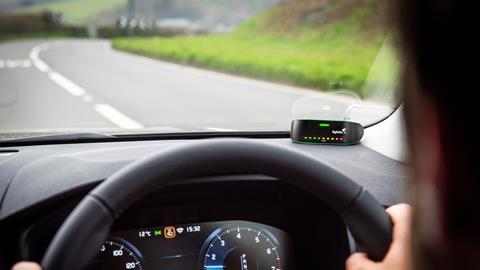
Lightfoot added that its data showed an average 15% improvement in fuel efficiency could be achieved through driver coaching. Drivers who actively engaged with its app could find an extra 7% improvement.
David Savage, chief revenue officer at Lightfoot, said: “This is not an argument against electrification or a reason to slow down the transition. It is an argument for recognising that decarbonisation should not be placed on hold while fleets wait for the next vehicle order.
“The most successful fleets will be those that do both: transition to zero-emission vehicles where operationally and commercially viable, while continuing to reduce the emissions of every vehicle already on the road.”
Referring to the current government consultation, Mike Hawes, SMMT CE, said: “The automotive industry is fully committed to a zero-emission future, investing billions in new technologies, products and incentives.
“However, with the ZEV Mandate conceived under vastly different conditions, this welcome review is a timely opportunity to adjust the transition so it works for all.
“That means a commercially sustainable transition which supports UK competitiveness, investment and jobs whilst delivering greater choice and affordability for motorists – the sooner, the better.”
The consultation closes on 23 October and can be found here: https://www.gov.uk/government/consultations/zero-emission-vehicle-mandate-review