







At the top of the table, Veolia, Biffa and SUEZ recorded no fleet changes in the six months to February 2026, suggesting a period of operational stability at the summit of the sector. Fourth-placed FCC Environmental was the notable exception, reporting an 8.5% reduction in vehicles over the same period.
That stability in fleet numbers, however, sits against a backdrop of significant structural and policy challenges. The Government has set a target to reduce residual waste by 50% by 2042, a goal that will require sustained increases in recycling rates and further reductions in landfill dependency. For operators whose revenues are closely linked to collection volumes and long-term municipal and commercial contracts, the shift presents both operational and commercial implications.
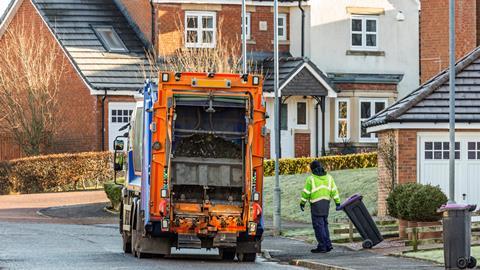
The wider waste picture has already shifted. The UK generated more than 191 million tonnes of waste in 2020, down from 222 million tonnes in 2018, largely due to declines in commercial, industrial and construction activity. Household waste volumes, by contrast, continued to rise, changing the composition of the waste stream and placing different demands on collection networks.
Consolidation has been a defining feature of the market in recent years. Veolia’s global acquisition of SUEZ in 2021 reshaped the competitive landscape, although intervention by the Competition and Markets Authority required the divestment of SUEZ Recycling and Recovery UK, completed in 2022. Since then, acquisitive activity has continued. SUEZ expanded through the purchases of Devon Contract Waste and F&R Cawley in 2023, while Biffa acquired Viridor’s collections business in 2021 and followed up with Keenan Recycling and L&S Waste Management in 2024, as well as the trade waste business of Sackers in 2025.
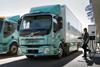
Alongside consolidation, fleet composition is beginning to change. While overall vehicle numbers among the largest operators have remained broadly static, there is a gradual shift towards alternative fuels. Veolia has been increasing the number of electric refuse collection vehicles in service, and Biffa reported last year that it had expanded its alternative-fuelled fleet to 201 vehicles.
MT Fleet Data, compiled from weekly O-licence updates issued by the Office of the Traffic Commissioners, provides a snapshot of this evolving landscape. The headline figures point to a sector that appears stable in scale but is operating within tightening regulatory constraints, ongoing consolidation and the early stages of a significant technological transition.