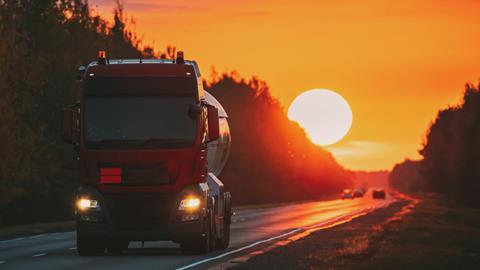

As the UK braces itself possibly for the hottest June day ever recorded, haulage operators were also being urged to prepare for the growing operational impact of extreme temperatures.
With the heat expected to continue through this week and a rare red weather warning issued by the Met Office signalling a high risk to life and substantial disruption, software firm Descartes said some operators could fall behind on their last-mile delivery schedules.
“This is where operations for many logistics teams are already under pressure from the likes of congestion, road disruption and tight delivery windows,” said Andrew Tavener, head of fleet marketing at Descartes.
“Naturally, for any good business, driver safety and wellbeing will be the first priority in these conditions. That means giving drivers realistic schedules, clear guidance, regular breaks and the ability to raise concerns if conditions become unsafe.
“However, this doesn’t mean deliveries need to suffer. While having air conditioning in vehicles can, of course, help provide drivers comfort as they drive, businesses should also look at how they plan routes and working patterns so drivers aren’t placed under unnecessary pressure during the hottest parts of the day.”
Royal Mail said the red weather warning meant it would need to make some adjustments to its operations: “There may be some service disruption as a result,” it said in a statement.
“The safety of our posties and our customers remains our top priority.”
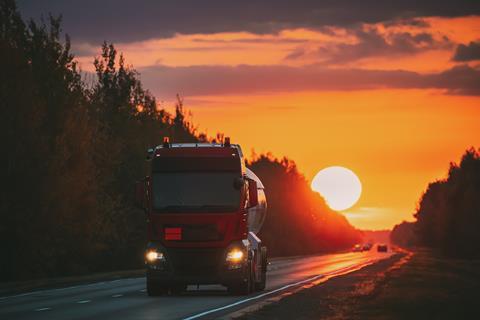
SNAP pointed to data from the European Environment Agency which showed that Europe was the fastest-warming continent, with temperatures rising at around twice the global average rate.
Nick Long, SNAP head of commercial, said: “Freight doesn’t stop when temperatures rise, but extreme heat can place significant pressure on drivers, vehicles and the wider supply chain.
“Whether it’s increased fatigue behind the wheel, greater strain on vehicle systems or unexpected delays on key transport routes, preparation is essential.
“Taking a proactive approach to driver welfare, vehicle maintenance, and journey planning can help operators stay safe, efficient, and resilient throughout the summer months.”
The RAC said drivers should not be concerned if they see council gritters – a sight usually reserved for winter – applying granite dust, which helps drivers maintain traction on melting roads.