








Artificial intelligence is already delivering millions in savings for UK fleet operators by cutting costs, boosting driver performance, and enabling smarter operational decisions, according to a keynote presentation at the RHA Future Forum in Birmingham.
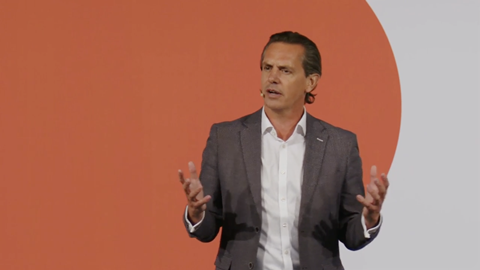
Adrian West (pictured), VP at UK tech firm OneAdvanced, told delegates AI is no longer a theoretical tool but a practical, proven asset that can reduce costs, boost margins and unlock new revenue opportunities - all using data they already have at their fingertips.
“This isn’t about robots running around warehouses,” West said. “It’s about automating the routine, unlocking value from your operations, and giving people the freedom to focus on more strategic work.”
OneAdvanced works with over 500 logistics firms across the UK and has more than two decades of industry experience. According to West, AI is already delivering measurable, significant returns in live operator settings. One client, he said, is saving close to £900,000 annually by improving timesheet accuracy alone - a result delivered through automated, AI-enhanced time and attendance tracking.
Another operator, running a fleet of 130 vehicles and employing over 400 staff, uploaded its operational data into OneAdvanced’s secure AI platform and received, within minutes, a tailored business case showing where to cut costs, boost profits and streamline operations - without redundancies.
What made the results compelling, West explained, was their specificity. The system identified a potential half-million-pound saving simply by improving driving behaviour - highlighting smoother acceleration, reduced idling, and smarter use of cruise control as areas for quick wins. At the same time, it revealed that by monetising just half of the company’s currently empty return legs, the operator could unlock an additional £1m in revenue annually.
Administrative efficiency was another opportunity. By automating tasks like payroll, invoicing and dispatch - functions often handled manually by dozens of staff - the AI platform projected further annual savings of over £130,000, without cutting jobs.
“This isn’t guesswork,” West said. “These are data-backed insights you can validate, interrogate, and act on immediately.”
AI’s operational power doesn’t stop at financial gains, he said. OneAdvanced also demonstrated how telematics data from drivers and vehicles can be used to improve road safety and fleet performance. In a live example, West showed how AI reviewed trip data from 20 drivers and 15 vehicles to flag the three poorest-performing drivers based on harsh braking, aggressive acceleration, excessive idling and poor safety scores. Within seconds, the platform identified the problem drivers, compared their scores against the wider fleet, and delivered tailored coaching recommendations for each — all in a concise, actionable format. The same system, when asked to predict vehicle maintenance risks, analysed historical fuel consumption trends and identified two vehicles likely to develop efficiency or reliability issues the following month.
“This kind of preventative insight is gold for operators,” West said. “It helps you avoid breakdowns, stay on the road and keep costs down — and it happens in seconds, not hours.”
But while the benefits are clear, West warned that AI adoption must be strategic and secure. OneAdvanced’s annual survey of over 6,000 UK professionals found that nearly half of respondents are already using AI at work, and more than a third plan to introduce it in the next 12 months. But worryingly, around 30% are using unauthorised AI tools like ChatGPT in the workplace — often with no understanding of how secure or private those tools are.
“That’s like uploading sensitive company data to a public website,” West warned. “Free isn’t free if it puts your business at risk.”
According to West, many AI projects fail because they’re poorly implemented or lack clarity of purpose. Around 25% of operators surveyed had already experienced a failed AI initiative in the past year — usually because it was treated as an add-on rather than being integrated into core workflows. The key, he argued, is for businesses to lead with strategy. AI should not be an extra task or a separate platform, but a seamless, embedded part of how operators work day to day.
“It’s about business vision first, technology second,” he said. “You’ve got to know where you’re going before you let AI help you get there.”
While the conversation around AI often triggers concerns about job losses, West was clear that the goal is not to replace people — it’s to enhance them.
“AI is freeing up admin teams from repetitive tasks so they can focus on value-adding work,” he said. “It’s about making people more productive, not redundant.”
He ended with a call to action for operators still on the fence. “The rewards are real — and they’re available right now,” he said. “But there’s a first-mover advantage. Think big. Start small. Scale fast. And stay secure.”
“AI is a game-changer for our industry,” West added. “But if you don’t get started, you risk being left behind.”