









The private equity house that held a majority stake in Prohire told Motor Transport it had injected financial support into the fleet hire firm in the months leading up to its collapse last week.
NorthEdge said it was now working with administrators to try and get the best possible outcome for all its employees and stakeholders after Ernst & Young took control of its affairs on 27 June.
The company, which provided nationwide commercial vehicle rental and long-term vehicle contract hire, together with fleet maintenance, accident repair management, and fleet compliance, had seen profits tumble in the last year – despite turnover increasing by £8.5m to £52.9m in 2024.
In 2018, Prohire undertook a management buyout which led to NorthEdge becoming its investment partner.
A spokesperson for NorthEdge said: “Over the last six months, we have provided Prohire with several rounds of financial support to protect the business and its people, however we have not been able to find a solvent solution.
“We remain committed to working with the administrators to ensure the best possible outcome for Prohire’s employees and its wider stakeholders.”
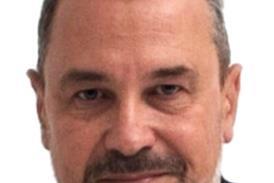
NorthEdge’s comments came in response to a blistering broadside from former Prohire chairman and chief executive David Barlow, who said he was “very saddened” to hear of its collapse and referred to the “proud hardworking teams in Stoke-on-Trent and Tunbridge Wells”.
But he also criticised the way the business was managed in the run up to its insolvency.
“I would never have allowed this to happen whilst I was CEO and chairman, even through the most difficult times,” he said.
In a statement, Ernst & Young said Prohire and Prohire Group, which together employed 80 staff, had faced liquidity challenges over several years:
“Whilst the management team has explored options to safeguard the future of the business, it has not been possible to raise the funding required to continue trading,” it said.
“As a result, the companies have been placed into administration and have ceased providing services to customers whilst the joint administrators explore the possibility of novating contracts with customers and vehicle funders to new providers.
“Regrettably, the majority of employees have been made redundant with immediate effect, with a small number of employees retained to assist the joint administrators with an orderly wind-down of the companies.
“All those impacted are being offered appropriate support and advice.”