




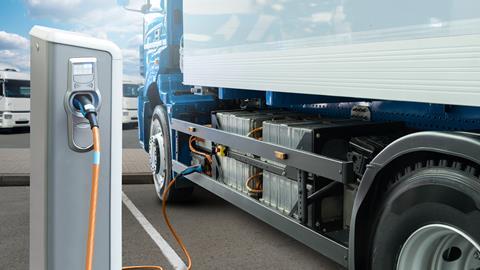
The RHA is warning that current weight regulations for electric HGVs are creating a “structural barrier” to decarbonisation, with operators facing higher costs, reduced payloads and additional journeys compared with diesel equivalents.
In its new Payload Loss Survey Report, the RHA said electric 44-tonne HGVs are disadvantaged because the current two-tonne weight derogation for heavier zero-emission vehicles does not apply to the heaviest articulated trucks.
The association is now calling on government to increase the maximum gross vehicle weight for electric HGVs from 44 tonnes to 46 tonnes and raise permitted axle weights.
The report, based on responses from 114 operators, found that 88% of respondents run vehicles above 42 tonnes and are therefore unable to benefit from the existing allowance. Of those operators, only 37% believed they could continue to meet operational requirements within a 22-tonne payload limit.
More than half of operators surveyed said they could complete less than half of their deliveries with a 22-tonne payload, suggesting fleets would need additional vehicles or more journeys to move the same amount of freight. The RHA warned this would increase congestion, driver demand and operating costs.
The association estimates that running an electric 44-tonne 6x2 tractor unit currently costs £28,282 more per year than a diesel equivalent, while an electric 40-tonne 4x2 costs £15,738 more annually.
It said payload penalties can increase operating costs by 18.7% for 6x2 units and 10.4% for 4x2s when compared with diesel vehicles carrying equivalent loads.
According to the report, payload restrictions mean operators may need up to 11.8% more journeys to complete the same work as diesel trucks. The RHA argues that removing the payload penalty through higher permitted weights would improve viability and encourage greater uptake of electric HGVs.
Richard Smith, RHA MD, said payload loss had become a significant obstacle to investment in zero-emission trucks.
He said the issue was not simply about operator profitability, but also about ensuring the transition to net zero remains commercially realistic for the haulage sector.
The report also highlighted wider infrastructure and charging concerns. While 74% of deliveries currently undertaken by diesel trucks could theoretically be completed using an electric HGV with a 300-mile range where destination charging is available, that figure falls to 51% if vehicles must return to depot for charging.
The RHA is calling for the DfT to establish a technical working group involving operators, manufacturers, highways authorities and regulators to assess changes to weight, axle and vehicle length rules.
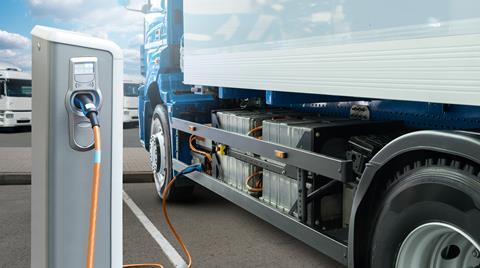
It also argued that lower electricity prices are critical to improving electric HGV economics. The report claimed that with payload parity and electricity prices reduced to £0.25/kWh, an electric 6x2 tractor unit could deliver annual fuel savings of £1,855 compared with diesel.
The association acknowledged concerns around road wear, bridge impacts and vehicle safety, but said manufacturers already engineer vehicles with sufficient tolerance to accommodate higher operating weights safely.
Announcing the report’s publication, Smith said: “Our recent RHA Payload Loss Survey Report confirmed what many operators already knew: current weight regulations are making the transition to electric HGVs harder than it needs to be.
“Battery electric HGVs are heavier than diesel equivalents, yet the rules haven’t kept pace. The result is operators losing up to 11.8% of payload capacity and facing significant additional costs.
“Our research found payload loss can add more than £28,000 per vehicle, while also increasing the number of trucks needed to move the same volume of freight.
This isn’t about the technology failing. It’s about regulation needing to catch up with the industry’s move towards decarbonisation.
“That’s why we’re calling on government to increase the maximum weight limit for electric HGVs to 46 tonnes, raise drive axle limits to 12.5 tonnes, and establish a dedicated technical working group to address the issue properly.”
The report’s findings come as government consults on a new UK heavy vehicle CO2 regulatory framework ahead of the planned phase-out of new diesel HGV sales by 2040.