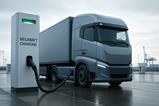







Hitachi ZeroCarbon and Japan’s MUFG Bank have joined forces in a partnership that aims to remove two barriers for vehicle fleet operators to switch to electric vehicles: the high capital cost; and the need to manage change and ensure vehicles performance.
Hitachi Europe previously won an IJGlobal 2023 Award for a complex deal that funded batteries for FirstBus’s electric fleet. In that deal, Hitachi companies and FirstBus parent FirstGroup set up a joint venture (NextGen Asset Co) with cash investment of £10 million each. The JV secured a 12-year £91 million loan from lenders led by NatWest Bank, which funded the acquisition of 1000 batteries that will be leased to FirstBus as required, for use in its growing electric fleet.
The arrangement means FirstBus avoids high upfront costs: Hitachi ZeroCarbon said First Group saved more than £20 million in deferred capital, and is anticipating more than £40 million in future savings. In the new JV, MUFG Bank will use its financial strength to address the cost barrier with deals like that with FirstGroup.
Battery and charging management services were provided in the FirstBus deal by Hitachi ZeroCarbon. In the new joint venture Hitachi ZeroCarbon says it will help address change management within fleets switching to electric, which it says also presents a barrier to the switch to e-vehicles. It uses data analytics and digital optimisation technologies to optimise battery performance and life, charge EV fleets and decarbonise sites and depots.
Ram Ramachander, CEO at Hitachi ZeroCarbon, said: “Cost remains the greatest hurdle to fleet electrification. We’re removing that barrier by giving fleet managers the confidence that decarbonisation is not only achievable, but financially viable. With access to financing through partners like MUFG, operators can accelerate progress toward their net zero targets while unlocking new revenue streams. By helping customers optimise their assets, we’re enabling long-term investment returns and creating meaningful commercial value.”
The partners say they will:
• Facilitate access to low-cost capital to fund batteries
• Provide a service to support fleet as they transition to electric vehicles (EVs)
• Enable fleet operators to scale their EV transition across multiple markets
• Help operators and fleet managers to better understand, manage and optimise their EVs, batteries and charging infrastructure