





The UK warehousing sector is heading towards an energy efficiency crisis, with new regulations set to render much of the country’s storage space unusable within the next decade, according to Midland Pallet Trucks.
The company, which supplies hand pallet trucks, stacker trucks and lift tables, is urging businesses to act now, not only to meet incoming standards but also to safeguard operational resilience and efficiency.
Since April 2023, all commercial leases must comply with a minimum Energy Performance Certificate (EPC) grade of E. By 2027, that bar will rise to grade C, before reaching grade B in 2030.
The company points to industry data, showing that 18% of current storage space could be deemed unusable by 2027, and by 2030, 60% of warehouses risk being unlettable if upgrades are not made.
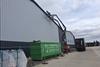
The challenge is particularly acute given that 82% of UK warehouses were built before 2000, Midland Pallet truck warns, adding that these warehouses often lack the insulation, heating, and modern design required to meet the demands of today’s energy efficiency standards.
With warehouse vacancy rates standing at just 3.3% in 2022, the company says there is little room for operators to absorb the impact of facilities being taken offline.
It advises companies to think more strategically about their operations, investing not only in retrofitting buildings but also in the equipment that supports energy and efficiency goals.
The company points to modern manual handling solutions, such as those supplied by Midland Pallet Trucks, to drive leaner, greener warehouse practices.
It argues that high-quality manual equipment requires minimal maintenance, is built for longevity, and supports productivity without the energy demands of more power-intensive alternatives.
Phil Chesworth, Midland Pallet Trucks MD, said, “The EPC compliance timeline is a wake-up call for the entire sector. Warehouses that don’t meet the new standards will be left behind, and businesses cannot afford to lose capacity in such a tight market.
“Failing to plan means planning to fail, and reliable, efficient handling equipment is part of the solution. By investing in durable tools that maximise productivity without unnecessary energy costs, operators can take a proactive step towards sustainability while easing the pressure on ageing facilities.”