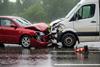





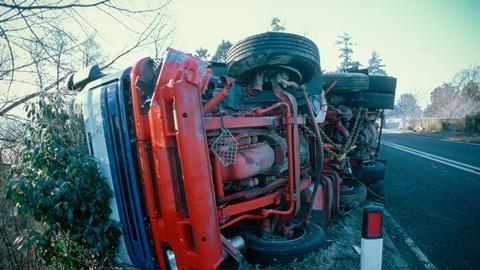

National Highways has launched a free training course for truck and van drivers who may find themselves among the first on the scene following a road traffic collision.
The post-collision response training course is designed to help commercial drivers take potentially life-saving steps before the arrival of emergency services.
The launch of the training course is prompted by evidence that around 50% more lives could be saved if bystanders delivered first aid at the scene of an incident while waiting for the emergency services.
With more than five million vans on UK roads and over 600,000 trucks, commercial drivers are often some of the first people at the scene of a collision.
National Highways is calling on companies who operate commercial vehicle fleets to integrate the new training module for their drivers to help save lives on the motorways and major A roads.
In 2024, 1,931 people were killed or seriously injured on England’s motorways and major A roads.
The pioneering online training, which is free and takes less than an hour to complete, has been developed with medical trauma specialists and aims to help commercial drivers act in the critical moments following a vehicle collision.
Launched at this month’s Commercial Vehicle show at the NEC in Birmingham the programme covers three 20-minute modules based around making the perfect 999 call, dealing with danger and protecting yourself and the scene, and providing basic first aid.
The modules have been designed to provide practical advice on how to stay safe, reduce risk and avoid making the situation worse.
Mark Cartwright, National Highways head of commercial vehicle incident prevention, said: “Motorways and major A roads carry around two thirds of all freight traffic in England, so we potentially have millions of commercial drivers that are often among the first people at the scene following a collision.
“This training is not about pressuring anyone to do anything they’re uncomfortable with, it’s about being collaborative and realistic, and providing information that might help save lives.”
The content has been developed with clinical input from Professor Tim Nutbeam, a consultant in emergency and prehospital emergency medicine based at Plymouth Hospitals NHS Trust and Devon Air Ambulance.
Professor Nutbeam said: “What happens in the first few minutes following a collision can make a real difference and I believe this type of project can help improve safety on the road network.
“This isn’t about turning commercial drivers into paramedics it’s about empowering and equipping people with basic knowledge so they understand what they can help with, while always putting their own safety first.”
National Highways is now inviting organisations that operate commercial vehicle fleets to integrate the modules into their training, helping their drivers become a part of a community prepared to make a difference when it matters most.