








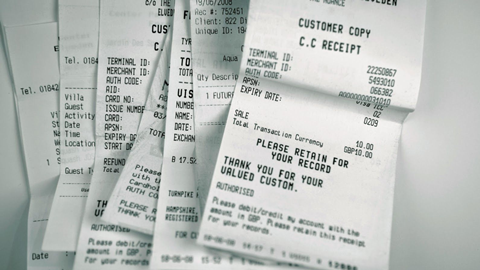

Google searches for ‘AI receipts’ have soared by 340% in the last three months, as more employees look to take advantage of AI-generated scams, a recent study has found.
The study by SAP Concur found that 70% of chief financial officers thought employees were using AI to attempt to falsify travel expenses and receipts.
AppZen also noted that AI-generated expenses accounted for 14% of fraudulent documents submitted last month, compared to 0% last year.
Jonathan Haseler, chief revenue officer at fuel provider Radius, said business owners can take a number of measures to prevent this sort of fraud.
“As AI becomes more accessible, businesses across the country are seeing a sharp rise in the number of fraud attempts. Receipts aren’t complicated documents to replicate, especially with the help of AI, however, this means that employers may struggle to distinguish between fraudulent documentation and real ones with the naked eye.
“While these scams can strongly mimic a real-life receipt with the logo, and even crinkled paper, there are practices that business leaders can put in place to ensure employees don’t risk submitting a scam and anomalies can be spotted more easily, saving businesses plenty of time and money in the long term,” he said.
Haseler recommends operators take the following steps:
- Educate employees regularly - Technology is changing quickly, with AI now becoming a key part of many people’s job roles. While this is usually harmless, it’s vital that all employees are aware of the risks associated with AI. Frequent training is essential in the workplace to ensure all employees are aware of the implications and up-to-date on the business’s stance regarding AI.
- Go digital - Moving away from paper receipts and using digital management tools helps to reduce human error and can make fraudulent claims much harder to slip through the cracks.
- Add an additional layer of protection with fuel cards - Fuel cards ensure that road travel transactions are tracked and all receipts are generated within an application.
He added that the introduction of fuel cards allows businesses to:
- Receive detailed reports directly to their inbox, offering a regular audit trail, helping to spot trends that may indicate fraud.
- Assign fuel cards to specific groups or drivers, making it easier to track usage and spot anomalies.
- Block stolen or lost cards and create customer labelling to ensure cards stay with the correct person or vehicle.
- Run reports by date, location, or driver to identify irregular patterns and monitor driver behaviour and fuel efficiency to detect potential misuse or inefficiencies.
- Set custom alerts for spending limits which can help to flag suspicious behaviour early.
- Use PIN-protection to reduce the risk of unauthorised use if a card is lost or stolen.
- Use approved stations, reducing the risk of drivers making off-network purchases.
- Set clear usage limits - Ensure all employees are aware of spending limits, who can use the fuel card, as well as hours and geographic locations of use, to make sure there is no room for confusion. Everyone should be aware that any expenses that fall outside of these parameters will be declined.