





Record levels of doorstep theft of parcels is undermining consumer trust in doorstep deliveries and driving the growth in out-of-home parcel delivery solutions, new research has revealed.
According to a report from intelligent parcel locker expert Quadient, police-recorded theft from doorsteps has increased by 77% over the past year, with the total value of parcels stolen across the UK rising to £666.5m.
The Quadient 2025 Parcel Theft report reveals that one in six UK households has been affected by doorstep parcel theft ,with nearly 60% of incidents occuring between 9am and 5pm - when many homes are unoccupied and parcels are left unattended.
Those most likely to report a stolen parcel are younger adults, in particular those aged 22-34, the report found.
It warns that parcel theft is moving from an isolated incident to a nationwide challenge which, if left unaddressed, could erode trust in online shopping and last-mile delivery.
Businesses are also feeling the strain, the report notes, with stolen packages requiring replacement products, additional shipping costs, increased customer support demands, and damage to customer trust.
“With already-tight margins, retailers and carriers must absorb or pass on these hidden costs, potentially undermining competitiveness,” the report warned.
Theft from doorsteps reaches its highest levels in December, with December 2024 seeing 1,144 thefts reported to police - the highest monthly total Quadient has ever recorded.
Between November and January, theft consistently spikes as deliveries peak, making the festive season a peak season for parcel thefts.
The report added: “Finally, while Christmas remains the peak, parcel theft is no longer seasonal. The data now shows sustained, month by month increases - turning what was once a holiday nuisance into a persistent, year-round threat for retailers, carriers and consumers alike.”
Almost half of UK adults (45%) say they regularly return home to find parcels left outside, and most people are worried about the risk. Meanwhile two thirds of Brits (68%) admit they would rather miss a delivery than risk it being stolen..
The report warned: “This concern is fuelling a rapid shift towards out-of-home delivery – a range of solutions designed to move parcels away from exposed doorsteps and into more secure, reliable hands.”
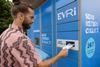
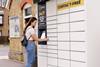
Alternatives include parcel shops and retail counters; click-and-collect services; neighbourhood pick-up points; and 24/7 secure,self service parcel lockers.
The report stated: “Each approach tackles part of the problem. Parcel shops and collection counters provide a more personal service, while retailers’ own click-and-collect delivery option integrates neatly into retail journeys.
“But lockers are the only option that combine security, scalability, and true round-the-clock access. Already, 40% of locker users collect outside the hours of 9am–5pm, showing how lockers fit around the realities of modern life for shift workers, students, families, and busy professionals alike.”
The report claimed that parcel theft itself is accelerating the adoption, with nearly a third of respondents (30%) saying they switched to lockers after losing a parcel, and among 25–34-year-olds the figure rises to 44%.
The report added: “Out-of-home delivery is no longer a future concept — it is happening now. And lockers are leading the way as the most efficient, flexible, andresilient solution for consumers, retailers, and carriers.”
Quadient points to its Parcel Pending intelligent locker system - which has 25,000 installations worldwide and 72 million parcels delivered annually - as one solution to the problem of parcel theft.
Parcel Pending is an open, carrier-agnostic network. The lockers allow multiple delivery companies to share the same infrastructure, which the company says can cut costs, driving efficiency, and giving consumers universal access.
The report concluded: “Lockers transform last-mile economics. Compared to doorstep delivery, a single locker system can increase the number of parcels delivered by one truck from 60 to 600.
“And by consolidating deliveries and returns into convenient locker locations, carriers can lower operational costs by up to 50%.
“These gains make lockers not just a security upgrade, but a smarter, leaner delivery model for the entire ecosystem.”