









Hauliers transporting goods to Norway are being warned about the potential for serious delays at the border when new customs clearance rules are rolled out next month.
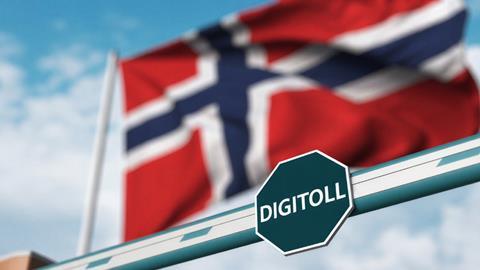
Norway starts the phased rollout of its new ‘Digitoll’ system on 15 September, which will make digital customs clearance mandatory.
The new rules replace a system which is more than 25 years old and means all filings have to be submitted digitally before goods reach the Norwegian border.
Despite the looming introduction, only 25% to 30% of daily road arrivals are registered with Digitoll, with adoption rates for air, sea and rail even lower.
Digitoll has been compared to a “mini-Brexit” for those with Norwegian trade routes in terms of its potential impact, customs clearance specialist Customs Support Group (CSG) said this week, warning that many companies still underestimate how severe the delays could be.
Norway imported goods worth approximately £3.6bn from the UK in 2025.
Keiron Myall, CSG MD UK and IE, said: “The introduction of the Digitoll scheme reflects a trend we are seeing in several European territories – for example, the rollout of the Obligatory Logistics Envelope (ELO) in France.
“For any business shipping goods into Norway, Digitoll fundamentally changes the customs process. The ‘compliance window’ which currently exists will vanish – until now, that meant importers had 10 days to declare goods had arrived.
“Now, businesses moving goods into Norway have to register them with Digitoll before they reach the border or risk delays.
“In addition, the responsibility for submitting Digitoll declarations sits with the transporter, and this is the key distribution of liability that many importers have not yet registered.”
The first phase of Digitoll will require digital compliance with reporting and information obligations, before full mandatory enforcement across all transport modes takes effect from March 1, 2027.
After this date, no import can proceed without a pre-border declaration registered with Digitoll.
Knut Espen Johansen, MD at Customs Support Group Norway, said the comparison with post-Brexit disruption in the UK was not an idle one.
He said: “Digitoll is not just an issue for Norwegian importers. Exporters and logistics companies across Europe will also need to adapt established processes and ensure that the necessary data is available on time.
“In some ways, Digitoll is a mini-Brexit for Norway. Fundamental processes in cross-border trade are changing within a relatively short period of time.
“When the UK left the EU customs union, many traders discovered they had built compliance processes around a set of assumptions that no longer held. Digitoll creates the same risk in a Norwegian context.
“These new rules will turn the customs declaration regime upside down.
“Everything which could be done within 10 days of importation now needs to be done before goods reach the border, which is a major change and presents a significant risk of delays.”
Customs Support Group is running a free webinar on the introduction of Digitoll on Thursday, 3 September at 9am.