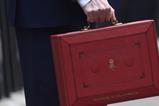





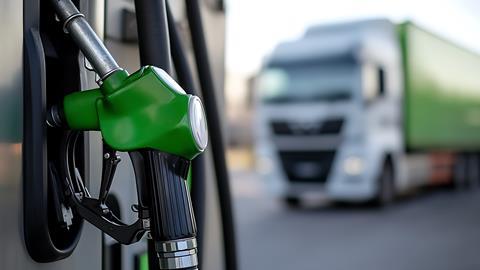

Chancellor Rachel Reeves must keep fuel duty frozen for the duration of this Parliament, in the light of the escalating Middle East crisis, lobby group FairFuelUK said this week, adding that the move should be announced in the upcoming Spring Budget.
Analysts at Barclays, Goldman Sachs, and JPMorgan have projected potential spikes to $100-130 per barrel if the Hormuz Strait off the coast of Iran faces prolonged disruptions.
The Strait handles about around 20% of global oil supply and significant LNG flows.
Oil prices had already risen in the past few weeks in response to rising tension between the US and Iran, with Brent seeing sharp rises to around $72-73 per barrel, by the end of February.
FairFuelUK projects that a sustained rise in Brent to $100 could add 10-20p per litre to petrol and diesel within weeks, based on historical patterns—similar to the surges seen in 2022 when oil hit $120 amid the Ukraine invasion. Brent crude spiking to $80-90 will add 5-10p per litre, the lobby group said.
It argues that even short-term oil tanker route closures or increased shipping insurance risks could initially push Brent crude toward $80-90, warning that any extended closure would risk a 1970s-style energy shock and triple-digit prices.
The group warned: “Oil tankers are already avoiding the area due to VHF warnings from Iran’s Revolutionary Guards, insurer pullbacks, and surging war-risk premiums—effectively creating a de facto slowdown without physical blockades as yet. We hear that at least one oil tanker has already been attacked.”
It added that bypass routes such as Saudi/UAE pipelines can handle only around three million barrels a day, far below the Strait’s 20 million.
Howard Cox, FairFuelUK founder, commented: “In light of the ongoing crisis in the Middle East, Rachel Reeves must declare in her Spring Statement that Fuel Duty will remain frozen for the duration of her Parliament and cancel any planned increases in the Autumn Budget. This move would be economically prudent—stimulating GDP growth and alleviating inflationary pressure.”
Added Logistics UK CEO Ben Fletcher: “Approximately one fifth of the world’s oil supplies move through the Strait of Hormuz every single day and with this shipping corridor disrupted, the global price of oil is already climbing: this increased cost will soon be seen at the UK’s pumps. Our sector, which delivers all the goods that the UK relies upon every day, already operates on incredibly narrow margins and any significant fuel price rises would have to be passed on to the customer. We are therefore urging the Chancellor to focus on bolstering business confidence and supply chain resilience, including by reviewing her decision to begin increasing fuel duty this year (as announced in the 2025 Autumn Budget), to prevent further inflationary pressure at a time when the global economy is so disrupted.
”The escalating military situation in the Middle East risks seriously impacting international trade. As a sector, logistics is flexible and is already seeking alternative routes but there will be an impact on the UK’s supply chain across the summer on those goods which arrive in the UK by sea. We are maintaining close contact with government to monitor developments and help mitigate the impact of these disruptions on UK businesses and consumers, and the risks to logistics personnel operating across the Middle East.”