








People working in transport and storage are increasingly at risk from harm posed by increasing global temperatures, extreme weather and air pollution, according to a new report.
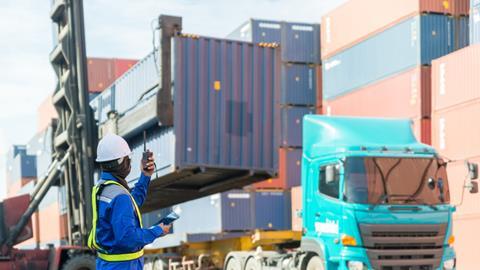
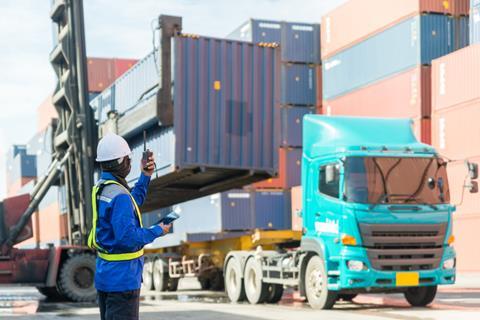
Lloyd’s Register Foundation’s study found that while workers across all industries faced a host of direct and indirect risks as a result of climate change, including UV radiation and extreme weather events, those in transportation and storage were found to be particularly at risk of air pollution and higher temperatures, causing heat stress and dehydration.
This was especially the case for road and rail workers, seafaring transport workers and warehouse workers, particularly in coastal communities and tropical and sub-tropical regions.
Lloyd’s report also highlighted a lack of research and evidence into the risks posed by climate change.
In areas where data does exist, it found it was often limited to one sector or region and did not examine workers in different contexts.
As a result, the global safety charity is calling for more research into the most effective ways to protect workers from safety risks posed by climate change.
Nancy Hey, director of evidence and insight at Lloyd’s Register Foundation, said: “As the effects of climate change continue, the impact on work is also changing.
“This affects all of us, but some sectors and geographies stand to be more affected than others.
“As this report highlights, there is a lack of evidence on how to protect workers from these growing risks, particularly in low- and middle-income countries.
“Filling these gaps in knowledge should be an urgent priority – this work will enable lives and livelihoods to continue safely, and is essential to a thriving global economy.”
Lloyd’s report coincided with a white paper from the Institution of Occupational Safety and Health (IOSH), which called for the development and enforcement of climate-related safety regulations as part of existing labour laws.
Ruth Wilkinson, IOSH head of policy and public affairs said: “The impacts of climate change are already being realised.
“Action to address climate change needs to happen at multilateral, national and local levels, including with businesses.
“As part of this collective global action, it’s crucial we consider the impacts on people, and specifically on workers and those vulnerable worker groups, so that adaptation and mitigation measures can be taken.”