







Once fleets start looking seriously at electric trucks, the conversation quickly becomes operational. How can they fit into day-to-day fleet activity without disrupting the business?

For many fleets, rigid vehicles operating predictable return-to-base routes are the natural early fit for electric trucks.
Urban distribution, regional delivery and municipal work are proving well suited to electrification because the operational pattern already aligns closely with how the vehicles are used. Trucks return to depot regularly, routes are predictable and charging can be planned around normal working schedules.
That’s why many fleets are starting there first.
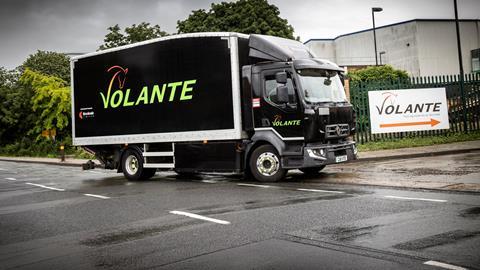
Throughout the Renault Trucks Zeroing In series, fleets already operating electric vehicles in daily service have consistently described the same experience. Once the trucks are integrated properly into the operation, they quickly become part of the normal fleet mix.
And that experience has been gained in real world operations, everything the industry deals with every day, from congested traffic and changing seasons to payloads, tight schedules and demanding duty cycles.
That does not mean electric trucks are simply a direct replacement for diesel without any changes. Operators still need to plan properly. Routes, dwell times, charging schedules and available site power all need understanding before vehicles enter operation. Electric is different.
But what many fleets are discovering is that once those operational patterns are understood, electric vehicles quickly settle into routine fleet activity.
Drivers adapt quickly to them, reliability is strong, and transport teams become confident planning routes and charging around normal working patterns.
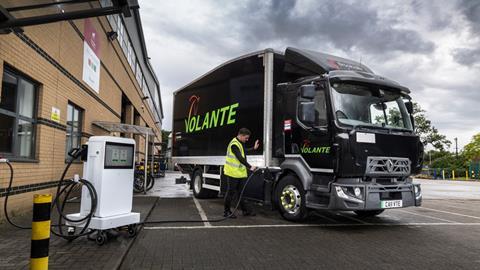
Charging itself is often less complicated than many fleets initially expect, particularly in early rigid operations.
With sufficient dwell time overnight, charging can begin with relatively modest power requirements. A 22kW supply can typically charge an 18-tonne electric truck from empty to full in around 13 hours. For some operators, that level of available power already exists on site, meaning early adoption may only require limited infrastructure work and lower-cost charging hardware.
Stepping up to 40kW charging provides greater flexibility and significantly faster charging times, while larger fleets and multi-shift operations are increasingly moving towards higher-powered charging infrastructure as operations expand.
At the same time, vehicle capability continues improving.
Renault Trucks vehicles are engineered to support DC charging rates of up to 130kW on the E-Tech Master, 150kW on the E-Tech D and D Wide, and up to 250kW on the E-Tech T and C range.
The latest Renault Trucks E-Tech T 6x2 tractor units feature e-axle technology, helping improve efficiency and extend vehicle range.
That combination of improving vehicle capability and growing charging infrastructure is steadily increasing the number of operations where electric trucks can already work effectively today.
And with the Government’s £1 billion support package now helping support both vehicles and depot charging infrastructure, more operators are now in a position to start introducing electric trucks into real fleet operation.
For many fleets, the starting point is no longer deciding whether electric can work at all. It’s identifying which parts of the operation make the most sense to move first.
To understand where electric trucks could fit into your operation - and how the grants could support the transition - speak to one of Renault Trucks’ Energy Transition Specialists today.