



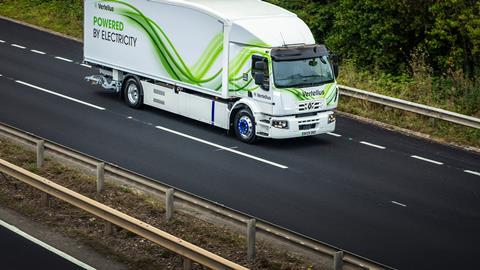
Road transport is entering a period of major long-term change.

Not overnight, and not in a straight line, but the direction of travel is becoming increasingly clear.
The diesel phase-out dates are fixed, infrastructure investment is accelerating, and your customers and consumers are demanding lower-emission supply chains. And electric vehicle capability continues improving year by year.
What changes the timing is the Government’s £1 billion support package for zero-emission trucks, vans and charging infrastructure.
For many fleets, that support creates a genuine opportunity to start building operational experience now while meaningful funding remains available for both vehicles and infrastructure.
That matters because the challenge for fleets is no longer deciding whether change is coming. It’s deciding how prepared the business will be when it arrives.
That’s particularly important in an industry where vehicle replacement cycles are long and infrastructure planning can take years. A truck entering service later this decade could still be operating well into the 2040s. Decisions made now will shape fleet operations for years to come.
That’s why many operators are no longer treating electrification as a separate future project. Instead, it is steadily becoming part of mainstream fleet planning.
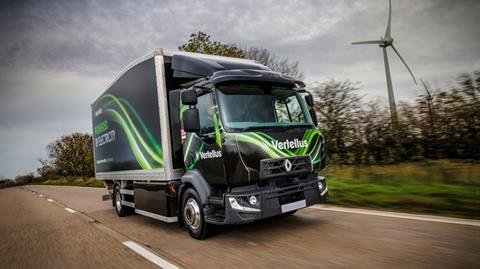
At Renault Trucks, we’ve seen that change happen first-hand through years of customer electric operation across the UK and Europe, and throughout our Zeroing In video series we’ve spoken directly with fleets already building experience in real operation.
One pattern appears consistently, that fleets making the strongest progress are rarely trying to do everything at once.
They are learning steadily, building confidence, understanding where electric fits best. Expanding from operational evidence gathered inside their own business, winning new business and gaining real competitive advantage.
That’s exactly why practical programmes such as the Vertellus EV Discovery Programme are becoming increasingly important. Operators can place electric vehicles into real operation, understand how the technology fits into their business and gather the information needed to make informed long-term decisions.
Because ultimately, that’s what this stage of the transition is really about, building knowledge early enough to stay competitive later.
The industry has already moved beyond asking whether electric trucks can work. They already are.
The real question now is how quickly fleets want to start preparing for where the market is heading next.
To understand where electric trucks could fit into your operation - and how the grants could support the transition - speak to one of Renault Trucks’ Energy Transition Specialists today.