








An electric truck charger doesn’t have to sit idle just because the truck is out working. One haulier is bringing in more than €10,000 (£8,400) a month by letting other operators use two of its depot charging points, according to Depotcharge.
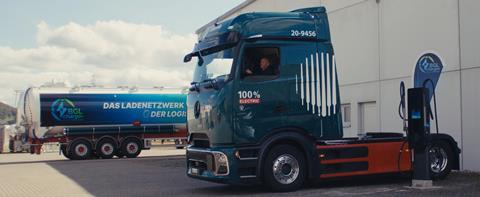
The Germany-based company connects hauliers seeking charging with operators who have spare capacity at their depots. It advertises the potential to generate €50,000 a year per charging point from shared chargers, but chief commercial officer Marc Clausing told Motor Transport that some customers are already exceeding that figure substantially. One operator, he said, has 14 charging points but generates more than €10,000 a month in transaction revenue from the two it has opened to visiting trucks.
In practice, hauliers open up their chargers to visiting electric HGVs while their vehicles are away. Clausing pointed out that trucks can spend eight to ten hours a day away from their depot, leaving their chargers unused. That downtime is what the model puts to work: operators set their own prices, while Depotcharge handles access, contracts, technical integration and payments. Registration is free, with a €0.02 per kWh transaction fee charged to visiting fleet operators.
To illustrate this, Depotcharge provided a calculation based on a single Alpitronic HYC 400 charger, shared for two sessions totalling two-and- a-half hours each weekday. Selling 750 kWh a day at €0.30/kWh over 51 working weeks would bring in €57,375 a year if demand holds. That is gross revenue, not profit. The amount operators retain depends on their electricity purchase costs, which vary between locations, as well as other operating expenses.
But sharing chargers is not just about earning money from existing equipment. Clausing said access to other operators’ infrastructure could allow small and micro-hauliers to buy their first electric HGV without immediately investing in depot charging.
He said this approach was already emerging among smaller operators in Switzerland, with some acquiring an electric truck first and relying on charging facilities along regular routes, including those available through the ASTAG Charge network. Predictable, recurring journeys make this more practical, although operators still need reliable charging access.
Opening a depot to outside vehicles raises questions about liability, access and availability. Depotcharge says it addresses these through contractual arrangements covering access, damage and non-payment. The platform also monitors charger availability.
Depotcharge is working with Germany’s BGL and Switzerland’s ASTAG road transport associations to expand shared charging. Its current rollout focuses on Germany, Austria, Switzerland and the Benelux countries, with further European expansion planned.