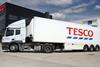





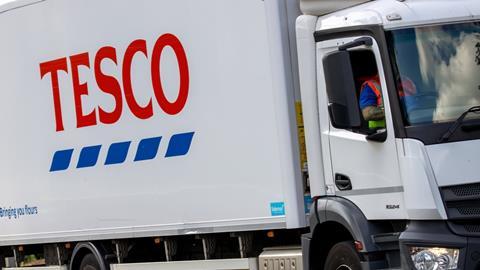

Tesco Distribution increased turnover by 5.7% to £2.51bn in the 53 weeks to 28 February 2026, although pre-tax profit fell by £10.7m following a discretionary bonus payment to distribution staff.
Tesco Distribution is responsible for the transportation and storage of goods on behalf of Tesco Stores. Its costs are recharged to the retail business at a mark-up.
The network operates 24 hours a day, seven days a week, supplying Tesco stores and customers from Tesco’s distribution centres.
The company’s latest strategic report shows turnover of £2.5bn, compared with £2.4bn in the previous 52-week financial period.
However, profit before tax declined from £120.7m to £110m, while profit after tax fell from £91.8m to £81.5m.
The directors said the reduction in pre-tax profit was primarily due to a discretionary bonus paid to distribution colleagues following strong revenue growth across Tesco Group.
The accounts show that total staff costs increased by 8.8% to £1.18bn, compared with £1.08bn in the previous financial year. Wages and salaries rose from £957.4m to £1.02bn, while social security costs increased from £70m to £94m and pension costs from £55.3m to £64.5m.
The average monthly number of Tesco Stores employees providing services to the distribution business increased by 4.3% to 18,495, from 17,727 in 2025. The average number of full-time equivalents rose by 5.1% to 19,208, compared with 18,282 a year earlier.
The employees are legally employed by Tesco Stores but work exclusively within Tesco Distribution’s centres and logistics network, with their costs recharged in full to the distribution business.
The company reported net assets of £509.5m at the end of the period, up from £474.4m a year earlier. Net current liabilities reduced from £41.1m to £27.1m.
Cash held by the company stood at £24.3m, compared with £29.8m in the previous period.
During the year, Tesco Distribution issued a new £80m intercompany loan to Tesco Corporate Treasury Services. A previous £220m loan receivable was fully repaid.
The directors declared and paid a dividend of £50m during the period, down from £60m in the previous financial year.
The company said the additional 53rd week in the reporting period had an “immaterial impact“ on its financial results.
Tesco Distribution forms part of Tesco Group, which reported sales growth of 4.3% at constant exchange rates across its businesses. The group said it continued to face cost inflation pressures while seeking to maintain competitive pricing for customers.
Looking ahead, the directors expect the distribution company’s performance to continue at current levels during the next financial period.
The report also identifies a number of risks affecting the wider Tesco business, including cyber security, climate and environmental sustainability, health and safety, recruitment and retention, macroeconomic conditions, regulation and supply chain security.
It added that the group aims to reduce its Scope 1 and 2 emissions by 60% by 2025.
Tesco’s transport makes up around 50% of its Scope 1 and 2 emissions.
The company said it is aiming to switch all its fleets to low-carbon alternatives by 2035.
Last year Tesco introduced its 1,000th electric home delivery van in the UK, as well as rolling out 42 low carbon bio-CNG trucks at its Livingston distribution centre.