


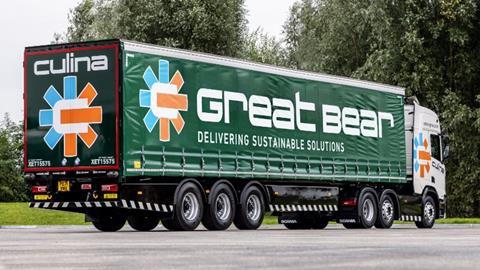

Great Bear Distribution reported a pre-tax loss of £13.2m in 2025 after battling rising operating costs, underutilised warehouse capacity and the loss of customer contracts during the year.
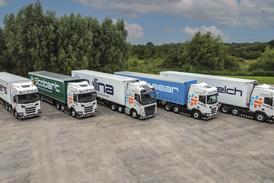
The company, which is a subsidiary of the Culina Group, is based in Hoddesdon, Hertfordshire and has an operator’s licence for 911 trucks and 1,847 trailers. It specialises in road transport and ambient warehousing and employs around 4,100 staff.
Despite increasing revenue, Great Bear recorded a loss before taxation of £13.17m for the year ended 31 December 2025, compared with a pre-tax profit of £15.3m in 2024. Operating profit fell by 70% to £12.3m, from £41m in the previous year.
Revenue increased by 2.5% to £526.1m, up from £513.4m, which the company attributed to new business wins and improved utilisation of existing warehouse capacity.
However, the rise in the revenue was partly offset by contract losses, lower volumes on existing operations and the impact of site closures during the year.
In its latest strategic report, the company attributed the deterioration in performance to a significant increase in its cost base, with inflationary pressures affecting personnel, property and energy costs.
Higher rents and property expenses also hit the company’s margins, partly because of underutilised warehouse space, the report added.
Great Bear also reported a reduced contribution from lost business and vacant capacity, while the loss of certain contracts and lower volumes from existing activities further affected performance.
The company also incurred costs associated with rationalising its warehouse network, including the closure of a number of low-density sites. These measures added to the pressure on operating profit during the year.
Net finance costs remained broadly consistent year on year, with lower finance income and higher interest charges on cash-pooling balances offset by a reduction in lease interest as agreements matured.
The company said the higher interest costs included periods when it was in a significant net liability position, partly reflecting the timing of intercompany settlements, with amounts due from other group companies still outstanding at the year end.
Looking to the future, Great Bear said it continued to focus on controlling central costs and overheads, maintaining warehouse utilisation and improving efficiencies and profitability across its transport network.
The business also highlighted the importance of maintaining a balanced customer base, ensuring customers and sectors remained profitable across its network.
Despite what it described as challenging market conditions, the directors said the company continued to provide customers with a market-leading service and remained well funded and financially robust.
The directors added that they were confident the business was well placed to meet the ongoing challenges presented by the economic climate and market conditions.