









Culina subsidiary Fowler Welch saw pre-tax profit more than halve in 2025 as higher labour and warehouse costs eroded margins, despite an increase in revenue.
In its latest annual results for the year to 31 December 2025, the temperature-controlled food logistics specialist reported pre-tax profit of £3.3m for the year ended 31 December 2025, down from £8m in 2024.
Revenue increased by 3.6% to £191.1m, compared with £184.4m a year earlier, reflecting improved customer demand. However, the company said economic pressures had increased the cost of servicing that demand.
Operating profit fell by 58% to £3.5m, from £8.3m in 2024, with inflation and higher employment taxes contributing to increased labour and warehouse expenses.
In its latest strategic report, the company said “challenging market conditions” continued to affect the business, despite its focus on strengthening its customer base and improving operational efficiency.
Fowler Welch identified the management of central costs and overheads, maintaining warehouse utilisation and improving profitability across its transport network as key priorities. It also said it was refocusing its customer base to ensure customers and sectors remained balanced and profitable throughout the network.
The company provides ambient, chilled and frozen food logistics services to retailers, processors, growers and importers, including chilled storage, case-level picking and nationwide distribution.
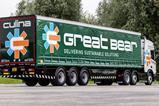
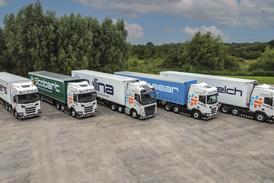
Headquartered in Spalding, Lincolnshire, Fowler Welch operates a fleet of more than 450 tractor units and approximately 800 semi-trailers, with depots across the UK.
The business ended 2025 with net assets of £78.9m, down from £81.3m a year earlier. Retained profit of £2.39m was offset by dividend payments of £4.84m.
Cash held directly by the company remained at £1,000, while its receivable balance under the Culina Group’s central cash-pooling arrangement stood at £25.8m, compared with £44.7m at the end of 2024.
Fowler Welch said it remained “well funded and financially robust”, and that the directors were confident it was positioned to meet the challenges of the ongoing economic climate and market conditions.