






Many companies are managing their van fleets with considerably less compliance oversight than HGV operations and are risking serious legal ramifications, transport lawyers warned.
LMP Legal said firms were underestimating the pace and scale of change affecting van operations and those perceiving LCVs as a low-risk area of fleet management could find the expectations around compliance and accountability had changed faster than they realised.
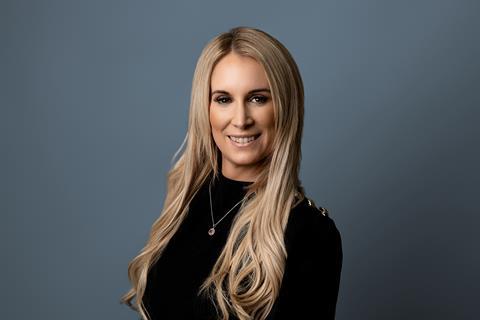
Charlotte Le Maire, LMP Legal founder and partner, said: “It is the sheer volume of operational, technical and compliance change happening at the same time, particularly for fleets transitioning into heavier electric vans.
“A lot of businesses still view vans differently from HGVs from a governance perspective.
“Increasingly, investigators and regulators do not.”
The warning came as significant regulatory changes were due to come into force, as well as progressing through Parliament or being consulted on.
Next month, new electric vans weighing between 3.5 tonnes and 4.25 tonnes will move into the Class 7 MOT regime, affecting first-test intervals, align tyre tread requirements and shifting drivers into domestic drivers’ hours rules.
Meanwhile, consultations are underway on driver drowsiness monitoring, intelligent speed assistance and blind-spot information systems.
LMP said van operations rarely operated within compliance structures that included transport manager oversight and this could become highly significant should a vehicle become involved in a serious collision or an HSE investigation.
“Investigations increasingly look beyond the individual driver,” Le Maire said.
“Vehicle condition, training records, fatigue management, supervision, policies and management decisions can all come under scrutiny following a serious collision.
“The question for many operators is whether they could evidence how their systems work in practice, not simply whether policies exist on paper.”
She added: “Van fleets are not regulated like HGVs today, but the direction of travel is clear.
“Expectations around evidence, oversight and accountability are increasing.”