


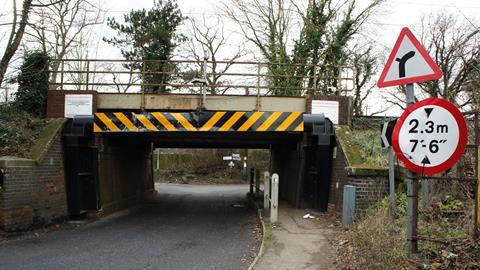

A law firm is urging operators to consider the wider legal ramifications of a bridge strike as the numbers are predicted to double this month.
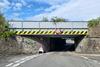
According to Network Rail, there are around five bridge strikes a day but that figure almost doubles in October making it the peak month for incidents.
The seasonal increase has been blamed on shorter days and increased delivery activity ahead of the peak.
As a result of the significant increase, LMP Legal is warning haulage operators to be aware that the consequences of a bridge strike stretch beyond the immediate cost of vehicle damage.
The average cost to a company per incident is £13,000 and it costs the economy £23m each year in disruption and delays.
They can also cause significant disruption to road and rail networks.
LMP said an incident is likely to result in police involvement and an appearance before the traffic commissioner at a public inquiry, opening the company up to scrutiny of the circumstances surrounding the collision.
Investigators are also likely to examine the systems and procedures an operator has in place, including driver training, route planning, vehicle height information and steps taken to manage the risk.
Charlotte Le Maire, LMP Legal founder and partner, said accessing specialist legal support from the outset can help both drivers and operators understand how to respond.
“A bridge strike can very quickly become much more than a vehicle damage or insurance issue,” she said.
“While the immediate priority will understandably be dealing with the incident itself, operators also need to consider the wider legal and regulatory implications.
“Clear procedures, a good understanding among drivers of what is expected of them and access to appropriate legal support can all help operators respond much more effectively when something goes wrong.
“Without these safeguards, scrutiny can quickly move beyond the actions of the individual driver and towards the operator’s wider systems, procedures and approach to compliance.”

Le Maire said that immediately following an incident, drivers could be dealing with considerable stress and shock, which can affect their ability to think clearly and accurately recall events:
“Access to specialist legal representation at the scene is therefore vital in protecting their interests, ensuring they receive appropriate advice before making statements or answering any questions.
“Being prepared before an incident happens can make a real difference to how effectively it is dealt with and help limit the wider fallout,” she added.
Bridge strikes increased in 2024/25 by 8.75% to 1,666 and the former head of the Metropolitan Police’s commercial vehicle unit, Rick Wenham, said one reason was a growing number of home delivery vehicles on the road, an observation backed up by Network Rail:
“We’re seeing vans make up a growing share of bridge strikes on the railway, with the proportion now significantly higher than it was 10 years ago,” a Network Rail spokesperson said.
“While lorries still account for most incidents and can cause the most serious damage, van strikes are an emerging challenge and can still cause significant disruption.”